

Remarketing in digital advertising is a strategy that targets people who have already visited your website, used your app, or interacted with your brand online.
Instead of advertising to completely new audiences, remarketing focuses on re-engaging users who showed interest but did not take action, such as making a purchase or filling out a form.
It works by using cookies or tracking pixels to display relevant ads to these users as they browse other websites or social platforms. This approach keeps your brand visible and reminds potential customers to return and complete their journey.
In 2026, remarketing has become more data-driven, privacy-focused, and personalized, using AI to show the right message at the right time. Businesses use it to increase conversions, improve return on ad spend, and build stronger customer relationships.
When done correctly, remarketing turns missed opportunities into loyal customers by staying relevant without being intrusive.
What Is Remarketing in Digital Advertising?

Most visitors do not convert the first time they visit your website.
In fact, a large percentage of users browse, compare, and leave without taking action. This does not mean they are not interested — it often means they need more time or reminders.
This is where remarketing becomes powerful.
If you’re searching for what is remarketing in digital advertising, this guide will explain exactly how it works, why it increases conversions, and how businesses use it to improve advertising ROI.
In simple terms:
Remarketing is a digital advertising strategy that shows targeted ads to users who have previously interacted with your website, app, or content.
It allows businesses to re-engage potential customers who did not convert during their first visit.
What Is Remarketing?

Remarketing, sometimes called retargeting, is a performance marketing technique that reconnects with users who have already shown interest in your brand.
For example:
- A user visits your product page but does not purchase.
- Later, they see your ad while browsing another website or scrolling social media.
- The ad reminds them of the product they viewed.
That reminder increases the likelihood of conversion.
Remarketing keeps your brand visible after initial engagement.
How Remarketing Works
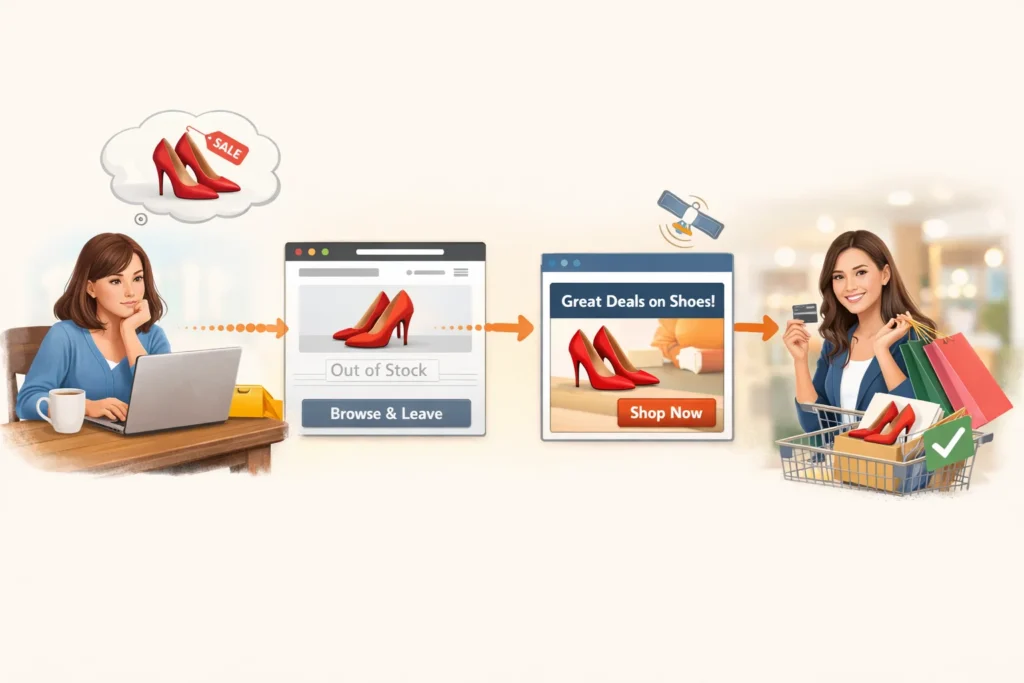
Remarketing relies on tracking technology such as cookies or tracking pixels.
Here is how the process works step by step:
- A user visits your website.
- A tracking pixel stores information about their visit.
- The user leaves without converting.
- Your advertising platform identifies them within its network.
- Your ads are shown to them across websites or social media platforms.
This targeted visibility increases the chances of return visits and conversions.
Remarketing is based on prior behavior — not random targeting.
Why Remarketing Is Important in Digital Advertising
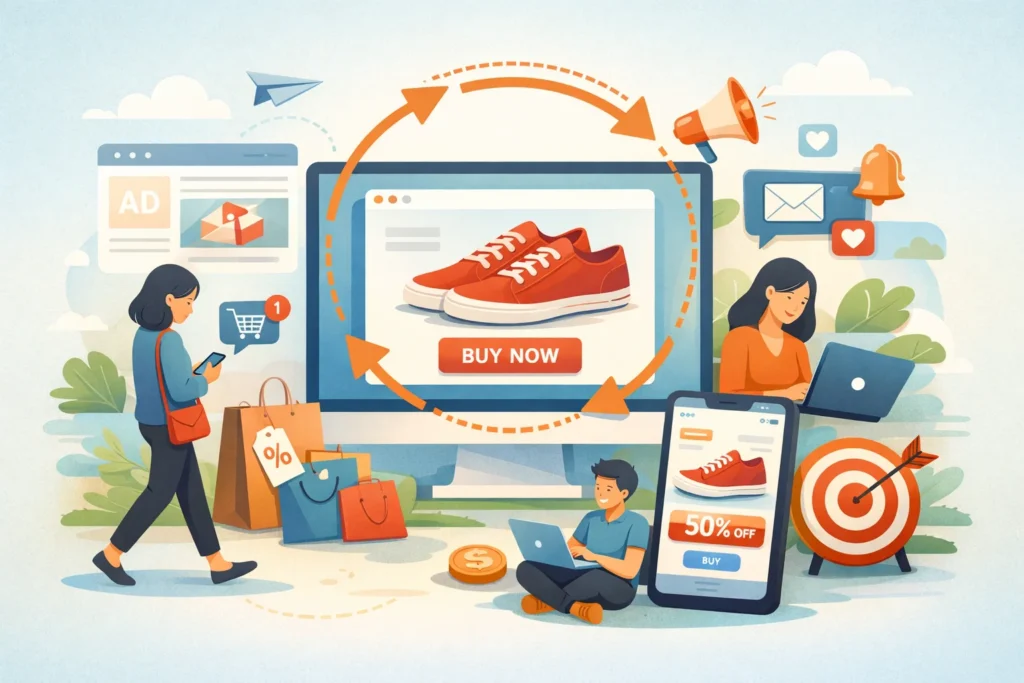
Digital advertising is competitive. Users are exposed to thousands of messages daily.
Remarketing matters because:
- It focuses on warm audiences.
- It reduces wasted ad spend.
- It increases conversion rates.
- It improves return on ad spend (ROAS).
- It shortens sales cycles.
Instead of targeting cold audiences, you advertise to users who already showed interest.
This dramatically improves performance.
Types of Remarketing Campaigns
Remarketing is not a one-size-fits-all strategy. Different approaches serve different goals.
1. Standard Remarketing
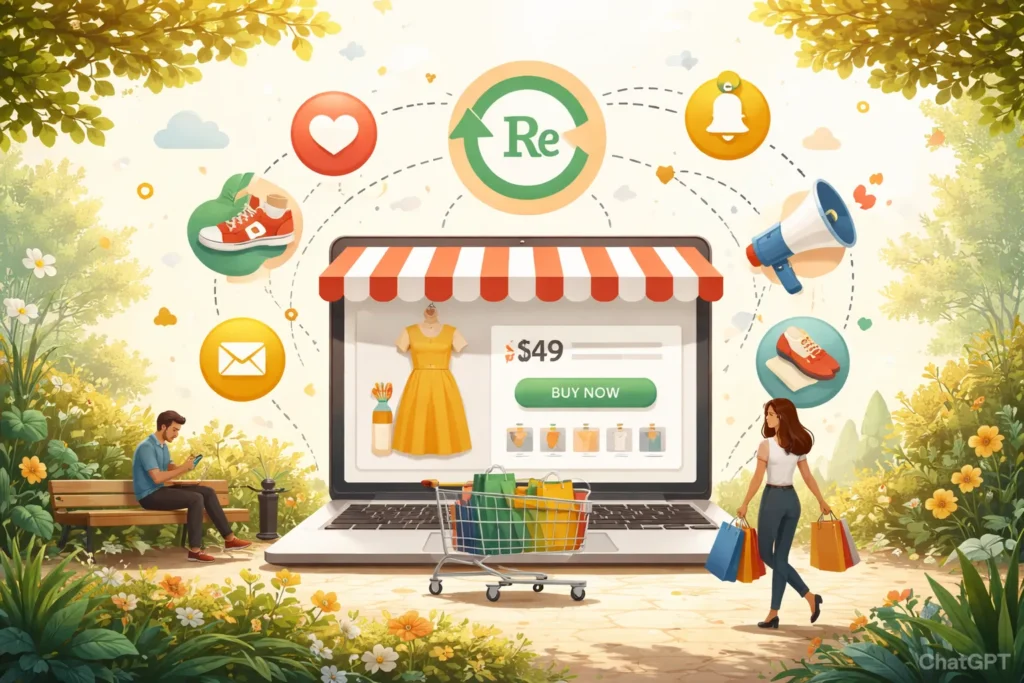
Shows ads to previous website visitors as they browse other websites or apps.
Best for:
- Brand reminders
- Lead nurturing
- General re-engagement
2. Dynamic Remarketing
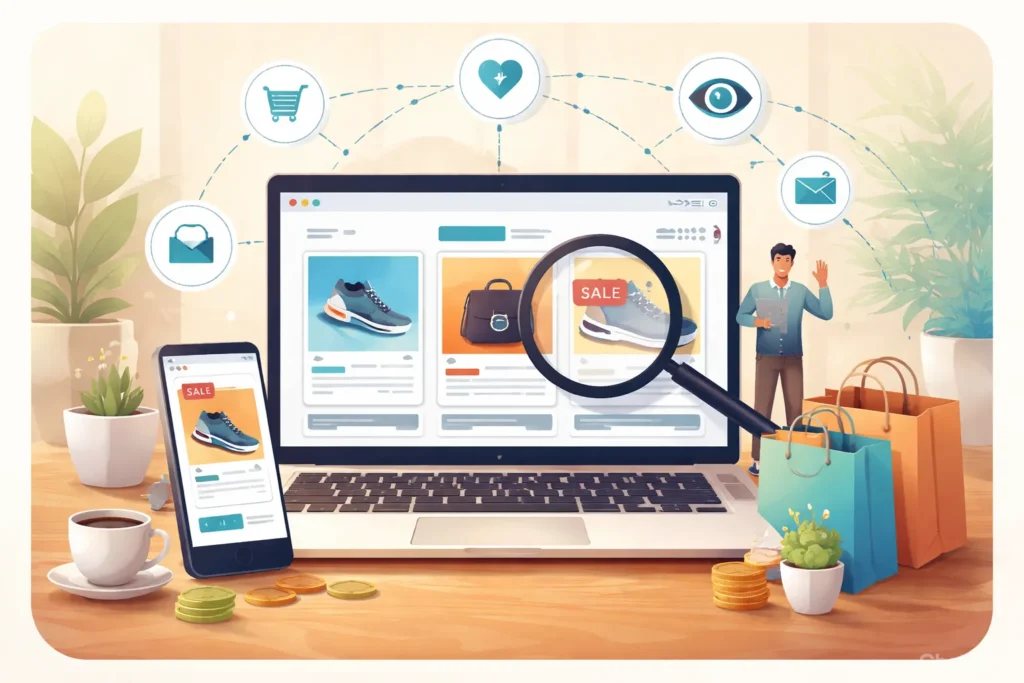
Displays specific products or services users viewed on your website.
Example:
If a user viewed a pair of shoes, they see ads featuring that exact product.
Best for:
- E-commerce businesses
- Product catalogs
- Abandoned cart recovery
Dynamic remarketing is highly personalized.
3. Search Remarketing (RLSA)
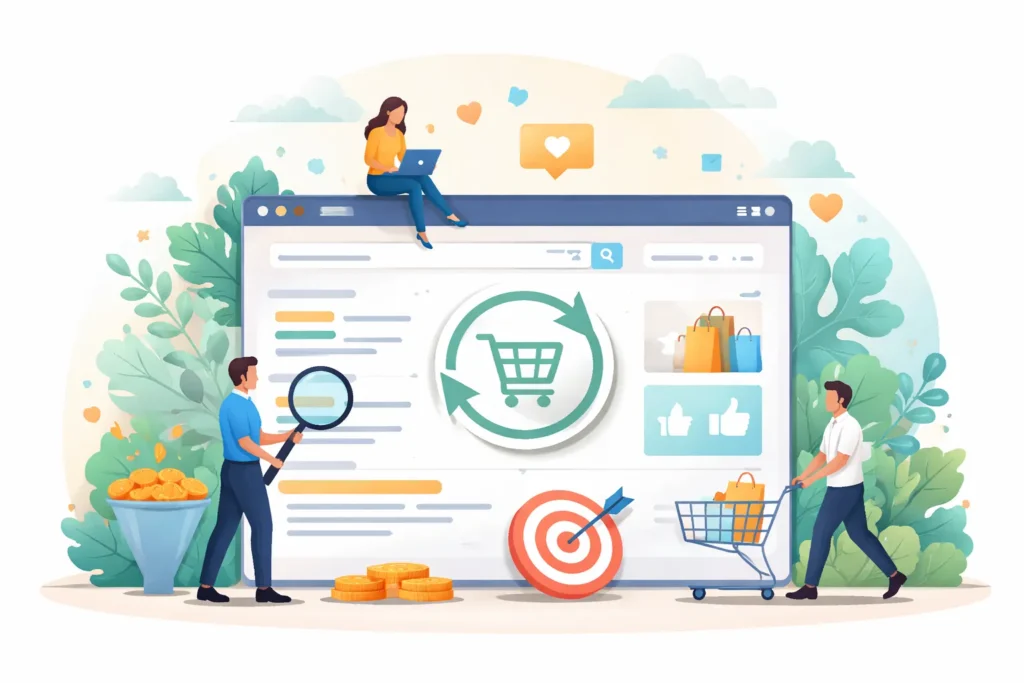
Targets users who previously visited your website when they search again on search engines.
This allows businesses to:
- Adjust bids
- Show tailored messaging
- Increase conversion potential
4. Social Media Remarketing

Targets users on platforms such as Facebook, Instagram, and LinkedIn who previously engaged with your website or content.
Best for:
- Brand awareness reinforcement
- Retargeting video viewers
- Promoting limited-time offers
5. Email Remarketing

Targets users who interacted with email campaigns but did not convert.
This bridges email marketing and paid advertising strategies.
How Remarketing Increases Conversions

Remarketing works because of behavioral psychology.
Users rarely make immediate decisions.
They need:
- Repetition
- Trust
- Social proof
- Reminders
Seeing your brand multiple times builds familiarity.
Familiar brands feel safer.
Remarketing keeps your business top-of-mind during the decision-making process.
Remarketing vs Regular Advertising
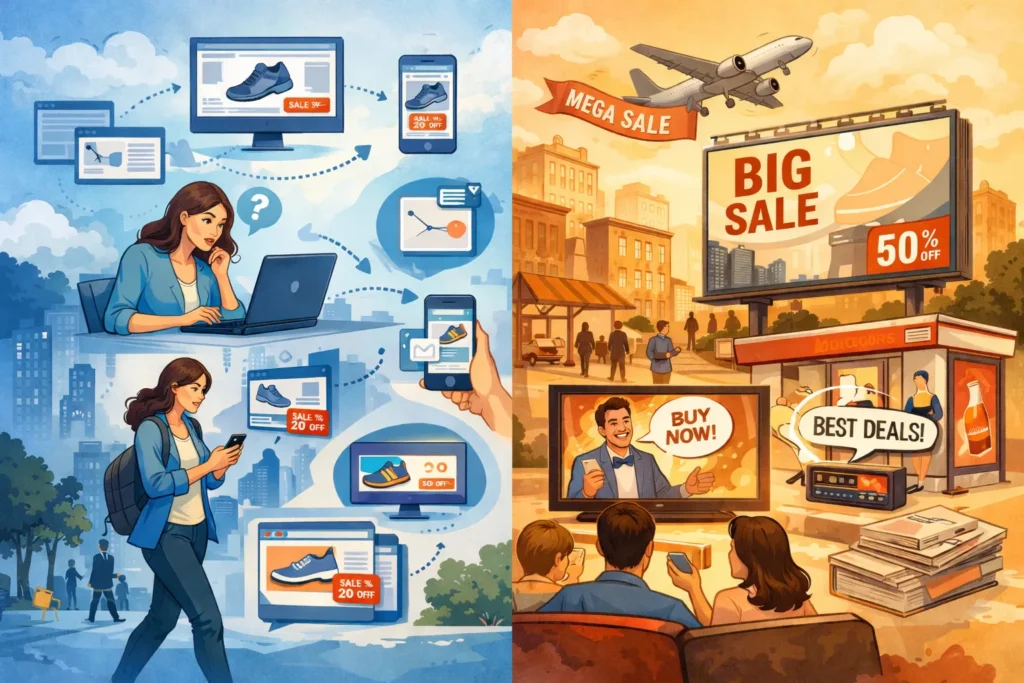
Regular Advertising
- Targets cold audiences
- Focuses on awareness
- Requires education and persuasion
Remarketing
- Targets warm audiences
- Focuses on conversion
- Reinforces interest
Cold traffic builds awareness.
Remarketing converts interest into action.
Combining both strategies improves campaign performance.
Benefits of Remarketing in Digital Advertising

Remarketing offers several advantages:
Higher Conversion Rates
Warm audiences convert at significantly higher rates.
Lower Cost Per Acquisition (CPA)
Because the audience is already familiar, acquisition costs decrease.
Increased Brand Recall
Repeated exposure strengthens brand awareness.
Personalized Messaging
Ads can match user behavior precisely.
Better ROI
Remarketing improves overall campaign efficiency.
Common Remarketing Mistakes
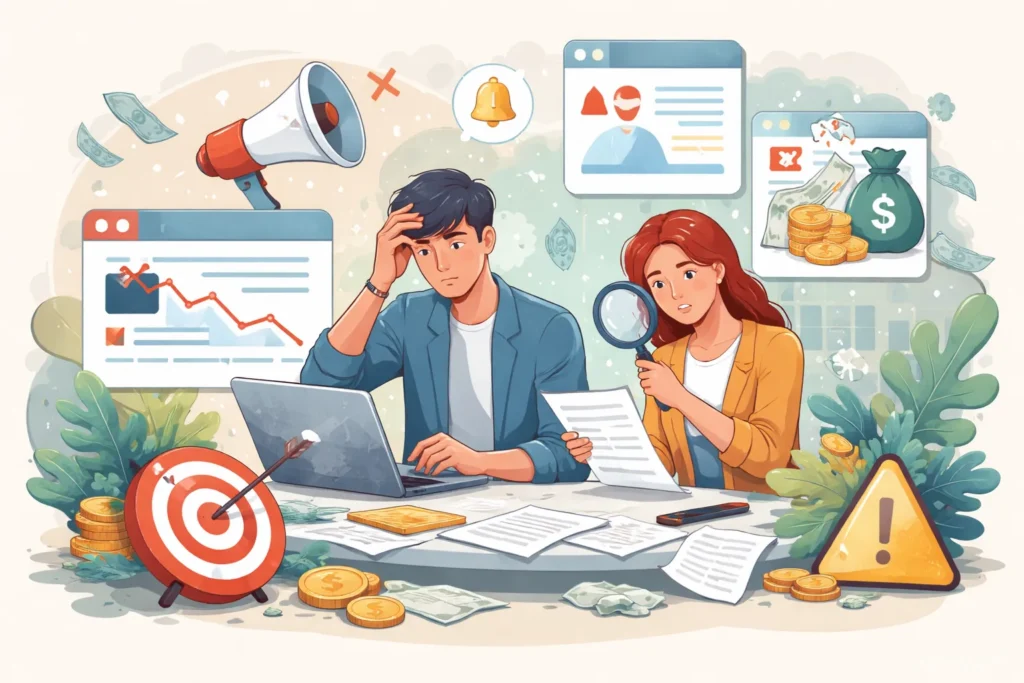
Even though remarketing is powerful, businesses sometimes misuse it.
1. Showing Ads Too Frequently
Overexposure leads to ad fatigue.
Use frequency caps to avoid irritation.
2. Not Segmenting Audiences
Treating all visitors the same reduces effectiveness.
Segment audiences by:
- Pages visited
- Time spent
- Cart activity
- Past purchases
3. Ignoring Creative Updates
Users get bored seeing the same ads.
Refresh creatives regularly.
4. Poor Landing Page Alignment
Remarketing ads should lead to relevant pages.
If someone viewed a specific product, redirect them to that product page.
How Long Should You Run Remarketing Campaigns?
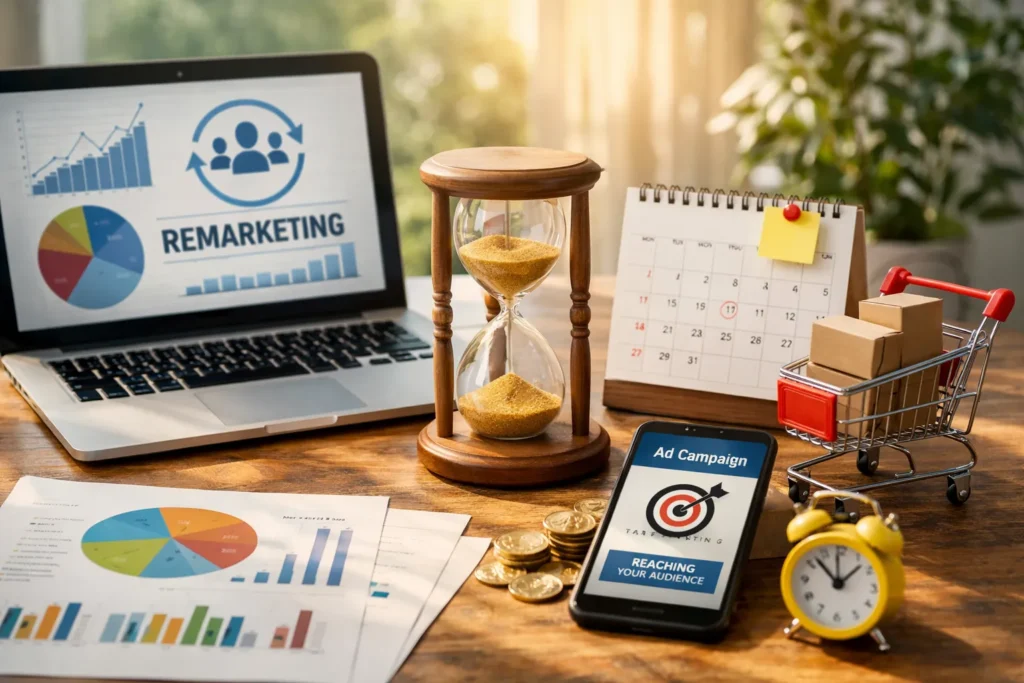
Remarketing works best within a strategic timeframe.
Typical audience windows include:
- 7 days for hot prospects
- 30 days for general interest
- 90 days for long sales cycles
Shorter windows create urgency.
Longer windows support extended buying journeys.
Remarketing in E-Commerce vs Service Businesses
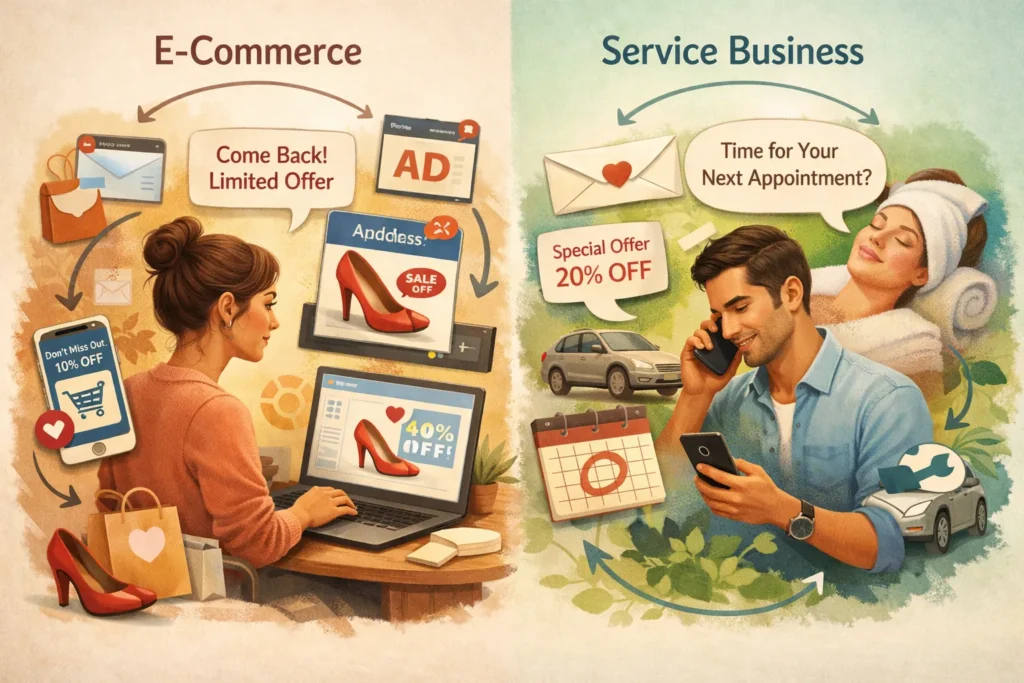
E-Commerce
Remarketing is highly effective for:
- Abandoned cart recovery
- Product reminders
- Promotional campaigns
Dynamic remarketing performs particularly well.
Service-Based Businesses
Remarketing supports:
- Lead nurturing
- Webinar promotions
- Consultation reminders
- Download follow-ups
Service industries often require longer nurturing cycles.
Measuring Remarketing Performance
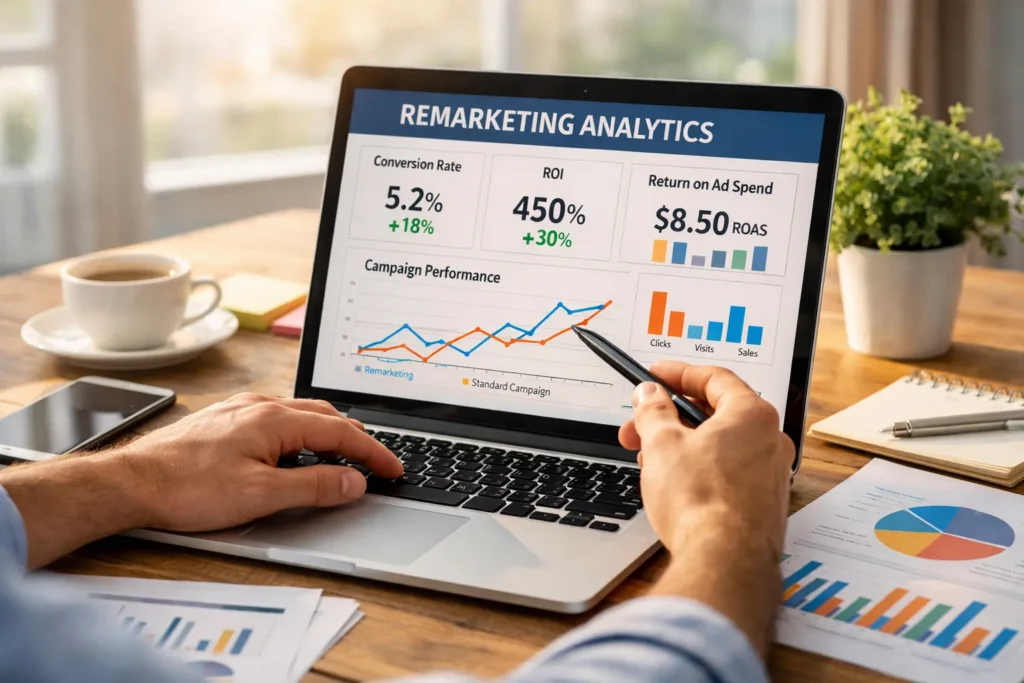
Track key performance indicators such as:
- Conversion rate
- Cost per acquisition (CPA)
- Click-through rate (CTR)
- Return on ad spend (ROAS)
- Customer lifetime value (CLV)
Performance data determines optimization decisions.
Is Remarketing Still Effective in 2026?
Yes — but strategies are evolving.
Privacy regulations and cookie restrictions require:
- First-party data collection
- Strong email lists
- Customer databases
- Consent-based tracking
Businesses that build strong data ecosystems gain remarketing advantages.
Remarketing remains a critical part of performance marketing.
Frequently Asked Questions
What is remarketing in simple terms?
Remarketing shows ads to people who have already visited your website or interacted with your brand.
Is remarketing expensive?
Remarketing often costs less per conversion than cold audience targeting.
How effective is remarketing?
Remarketing campaigns typically achieve higher conversion rates than standard advertising.
What’s the difference between remarketing and retargeting?
The terms are often used interchangeably. Both refer to re-engaging previous visitors.
Final Thoughts
Understanding what is remarketing in digital advertising unlocks one of the most powerful tools in performance marketing.
Remarketing transforms lost opportunities into conversions by:
- Re-engaging interested users
- Reinforcing brand trust
- Delivering personalized ads
- Improving overall ROI
In competitive digital markets, first impressions are rarely enough.
Remarketing ensures your brand stays visible during the buying journey.
When combined with strategic targeting and strong creative execution, remarketing becomes a reliable growth driver.