
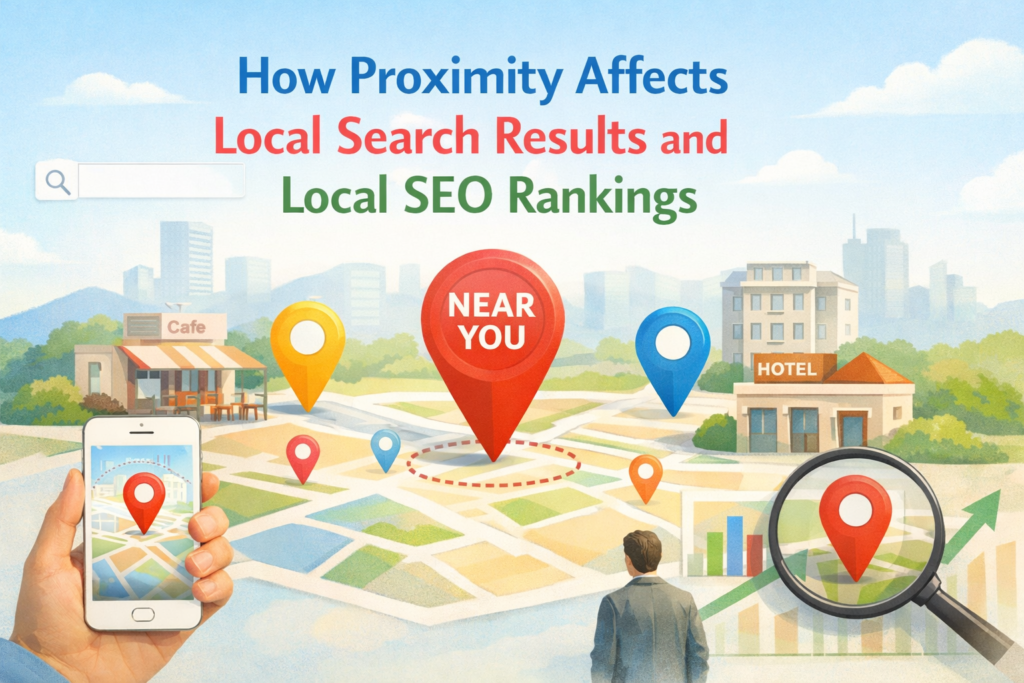
Local search results are designed to deliver the most relevant businesses to users at the exact moment they need a service. While many factors influence local SEO rankings, proximity plays one of the most decisive roles. Even businesses with strong reviews, well-optimised websites, and active profiles can struggle to rank if they are not geographically close to the searcher.
Understanding how proximity affects local search results helps businesses set realistic expectations, optimise correctly, and build strategies that improve visibility despite location limitations. This guide explains what proximity means in local SEO, how Google uses it, and what businesses can do to stay competitive.
What Is Proximity in Local Search?
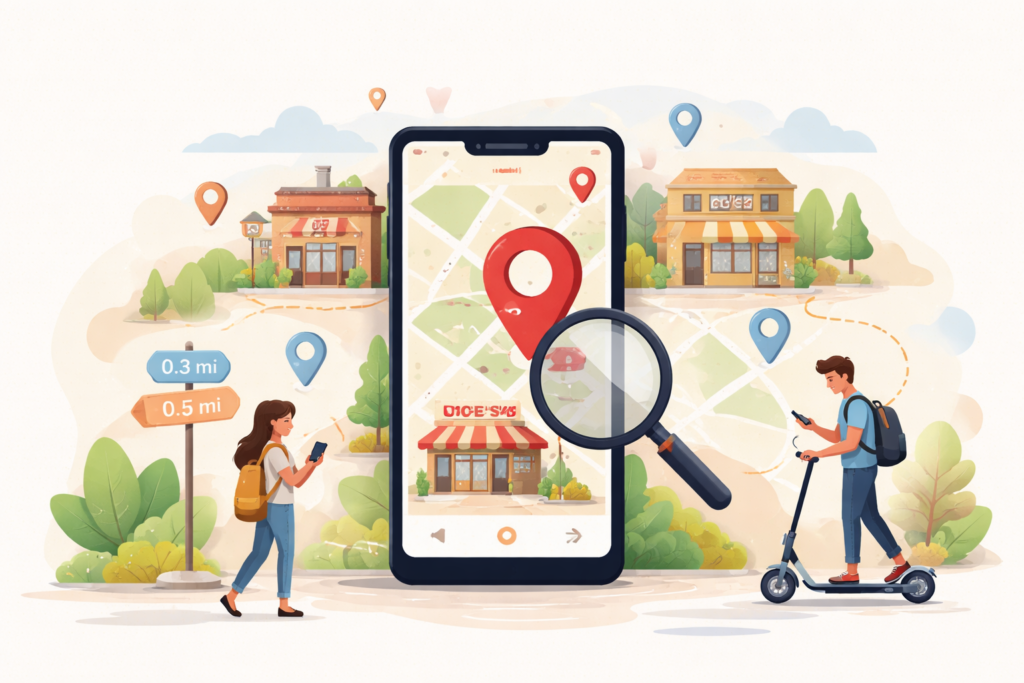
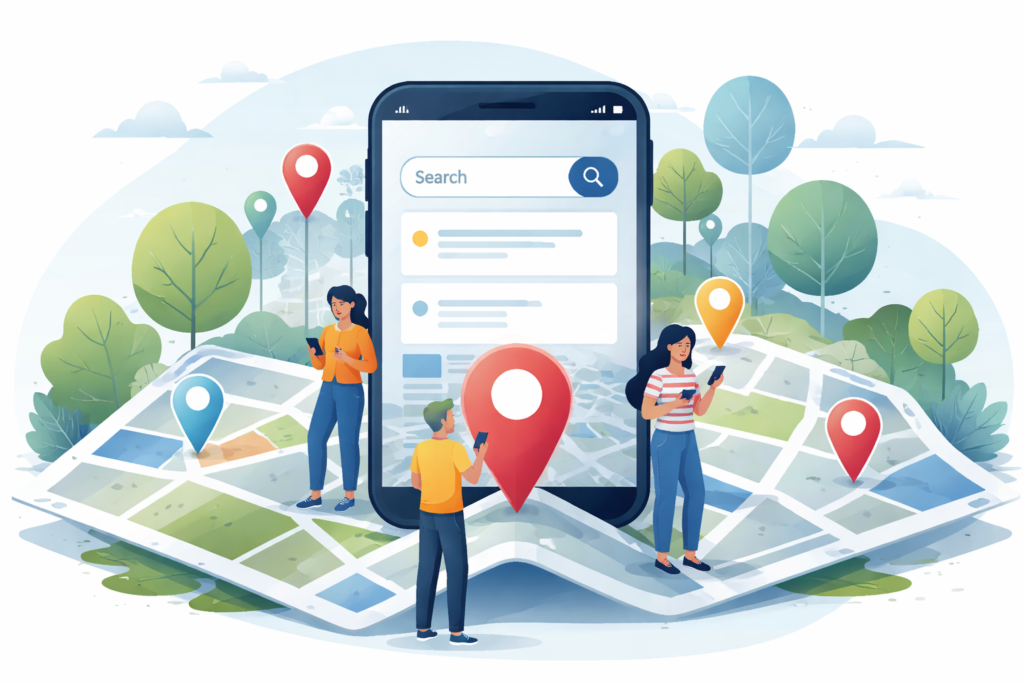
Proximity refers to the physical distance between a searcher’s location and a business’s location. When users perform searches such as “restaurant near me” or “electrician nearby,” Google prioritises businesses that are closest to the user at that moment.
Unlike traditional SEO, where rankings are largely the same for all users, local search rankings change based on where the search is made. A business may rank highly in one neighbourhood but not appear at all just a few kilometres away.
Why Proximity Matters in Local SEO
Google’s primary objective is to deliver fast, convenient, and relevant results. Proximity allows Google to recommend businesses that are easiest for users to reach, especially for services requiring in-person interaction.
Proximity matters because it:
- Improves relevance for location-based searches
- Encourages quicker customer actions
- Enhances user satisfaction
- Reduces travel time for physical visits
For many searches, proximity can outweigh other ranking factors such as website authority or backlink strength.
How Google Uses Proximity to Rank Local Results
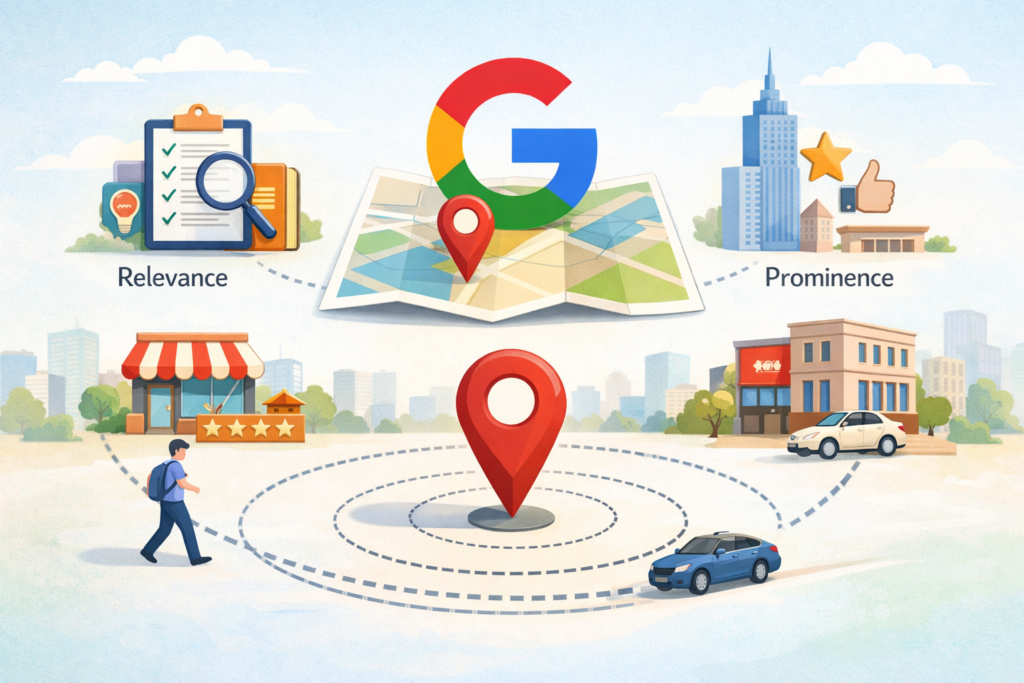
Google evaluates local search results using three core factors:
- Relevance
- Distance (Proximity)
- Prominence
Proximity directly influences the distance factor. Google determines a user’s location through GPS data, IP addresses, Wi-Fi signals, and search behaviour. Businesses located closer to the user typically receive ranking preference in Google Maps and the Local Pack.
This is why two people searching the same keyword from different locations often see completely different results.
Proximity and the Google Local Pack
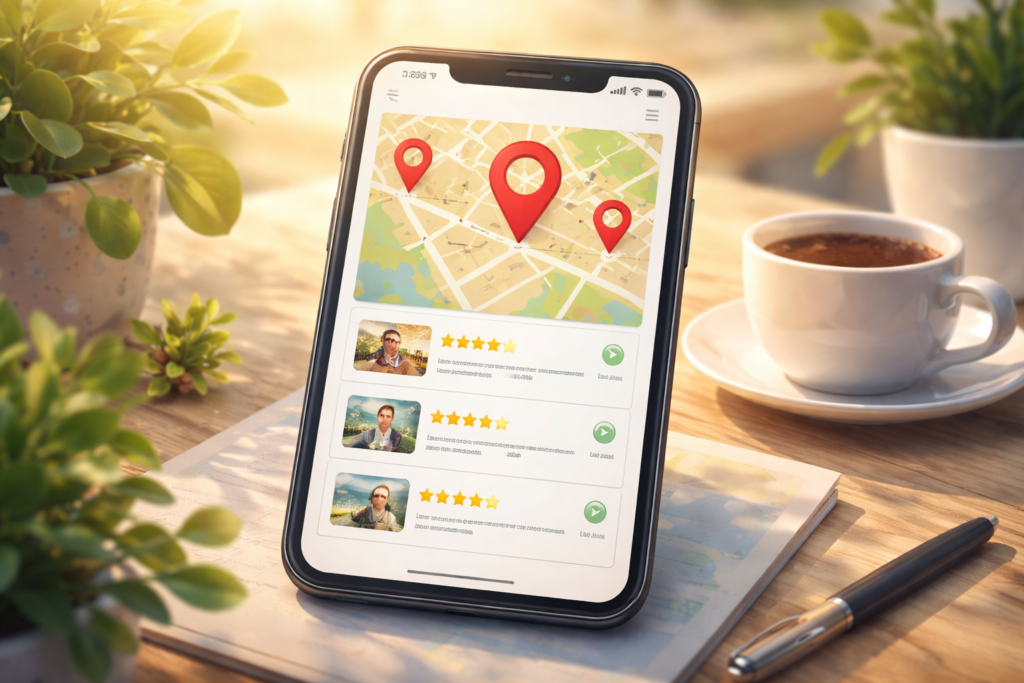
The Google Local Pack displays only three businesses, making proximity extremely competitive. Businesses closest to the searcher often appear in these top positions, even if competitors have stronger SEO metrics.
This is particularly challenging for service-area businesses or companies located outside city centres. Proximity frequently determines which businesses earn these high-visibility positions.
Can Businesses Control Proximity?

Businesses cannot control where users are searching from, but they can influence how Google interprets their location.
Google relies on:
- Accurate business address details
- Proper Google Business Profile configuration
- Correct service area settings
- Consistent location data across citations
While proximity itself cannot be manipulated, location clarity and accuracy can be optimised.
How Proximity Affects Different Business Types

Physical Location Businesses
Restaurants, clinics, retail stores, and salons benefit most from proximity. Customers searching nearby are more likely to see these businesses first.
Service-Area Businesses
Plumbers, electricians, and cleaners rely on service area signals rather than storefront proximity. Google evaluates coverage zones and address consistency to determine rankings.
Multi-Location Businesses
Businesses with multiple locations can improve coverage by optimising each Google Business Profile individually, allowing them to rank across wider geographic areas.
Proximity vs Other Local SEO Ranking Factors
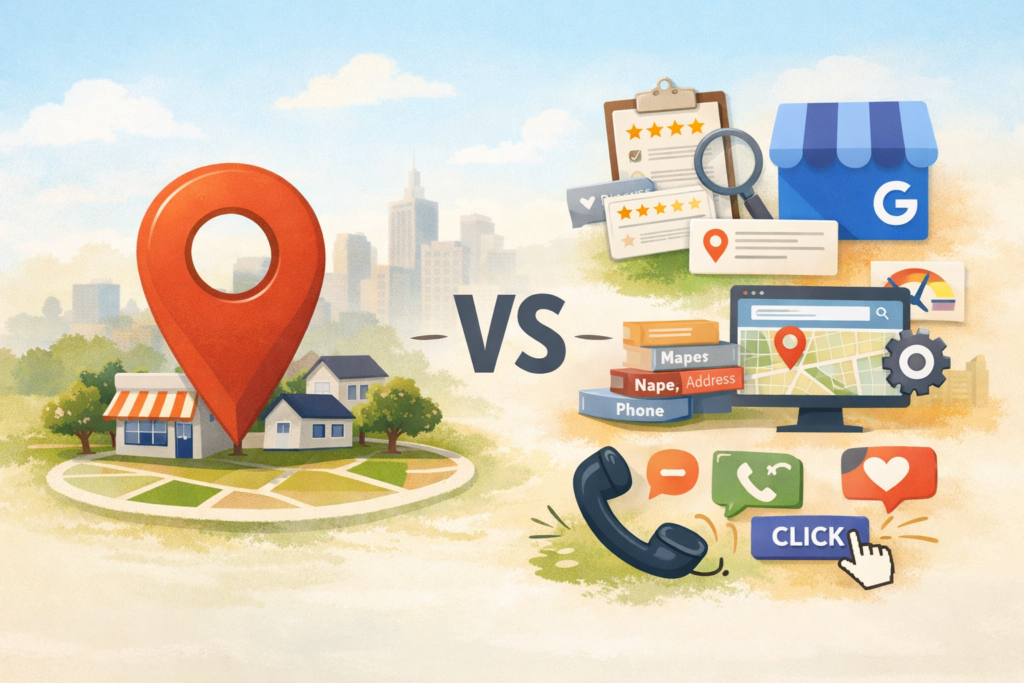
While proximity is powerful, it does not operate alone. Other factors still influence rankings:
- Review quantity and quality
- Google Business Profile optimisation
- Local citations and NAP consistency
- Website local SEO signals
- Engagement actions such as clicks and calls
A business slightly farther away can outrank closer competitors if its relevance and prominence are significantly stronger.
How to Improve Local Rankings Despite Proximity Limitations
If your business is not closest to the searcher, strengthening other ranking signals becomes essential.
Optimise Google Business Profile
Ensure accurate address details, relevant categories, images, and regular updates.
Build Strong Local Citations
Consistent business listings reinforce location trust and authority.
Generate High-Quality Reviews
Reviews increase prominence and help offset distance disadvantages.
Create Location-Focused Website Content
Service area pages and local content help Google understand where you operate.
Increase Engagement Signals
Phone calls, direction requests, and profile interactions signal relevance.
Common Proximity-Related Mistakes
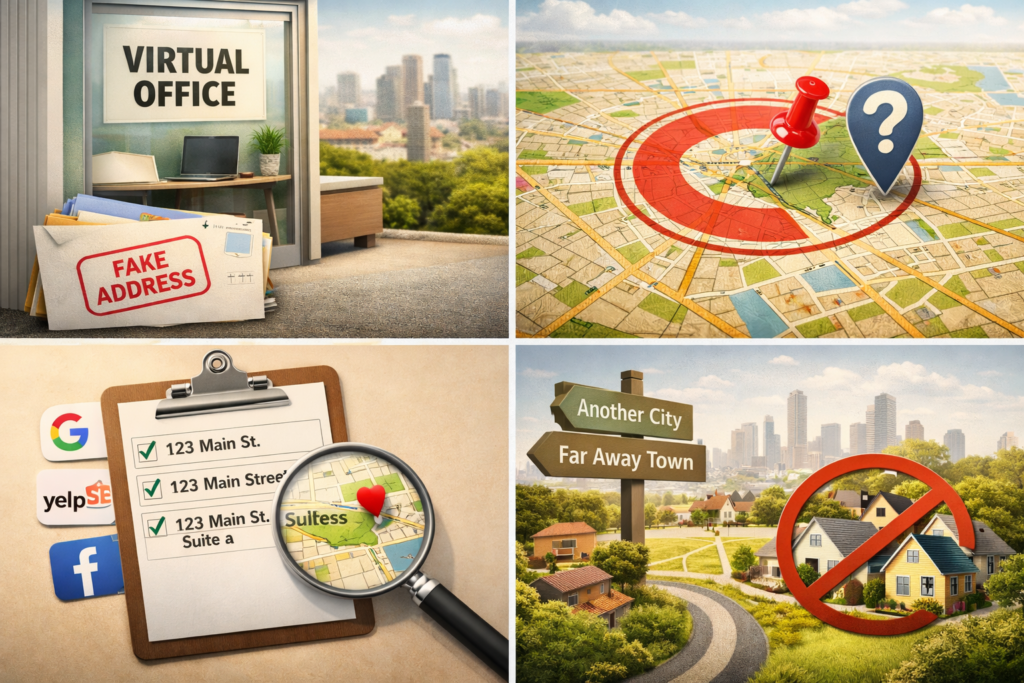
Businesses often harm their rankings by:
- Using virtual offices or fake addresses
- Setting incorrect service areas
- Inconsistent address details across platforms
- Targeting locations they do not actually serve
- Ignoring neighbourhood-level optimisation
These mistakes confuse Google and reduce ranking potential.
Why Proximity Matters More for Mobile Searches

Proximity plays a larger role in mobile searches because users are often on the move. Google relies heavily on real-time location data, making distance a dominant ranking factor for mobile users.
This is why mobile-friendly local SEO strategies are critical for visibility.
Does Proximity Affect Organic Search Results?
Proximity mainly impacts Google Maps and Local Pack rankings. Traditional organic search results are less influenced, though location relevance can still affect rankings.
Combining local SEO with traditional SEO creates a balanced strategy that captures both local and broader search visibility.
How Proximity Affects Local Search Results
Proximity is one of the strongest ranking factors in local SEO. It determines which businesses appear when users are ready to take immediate action. While proximity itself cannot be changed, businesses can optimise relevance and prominence to compete effectively.
By understanding how proximity affects local search results and strengthening other local SEO signals, businesses can improve visibility, attract more customers, and achieve long-term local growth.