
Many businesses invest in SEO but struggle to determine whether their efforts are actually working. Rankings fluctuate, traffic changes, and reports can feel overwhelming. Measuring SEO performance correctly is essential for understanding what’s driving growth, what needs improvement, and how SEO contributes to real business results.
Understanding how to measure SEO performance correctly allows businesses to move beyond vanity metrics and focus on meaningful data that supports long-term growth. This guide explains the key SEO metrics to track, how to interpret them, and how to measure SEO success accurately.
Why Measuring SEO Performance Matters
SEO is a long-term strategy, but without proper measurement, it’s impossible to know if your investment is paying off. Measuring SEO performance helps businesses:
- Track progress toward goals
- Identify strengths and weaknesses
- Improve return on investment
- Align SEO with business objectives
- Make data-driven decisions
SEO success is not just about rankings—it’s about visibility, engagement, and conversions.
Start with Clear SEO Goals

Before measuring anything, businesses must define what success looks like. SEO goals vary depending on the business model.
Common SEO goals include:
- Increasing organic traffic
- Generating leads or sales
- Improving keyword visibility
- Expanding local presence
- Building brand authority
Clear goals ensure you measure the right metrics rather than irrelevant data.
Organic Traffic: The Foundation Metric

Organic traffic refers to visitors who arrive through unpaid search results. It is one of the most important indicators of SEO performance.
What to Measure
- Total organic sessions
- New vs returning users
- Traffic trends over time
- Pages driving the most traffic
Consistent organic traffic growth indicates improved visibility and relevance.
Keyword Rankings: Tracking Visibility Progress
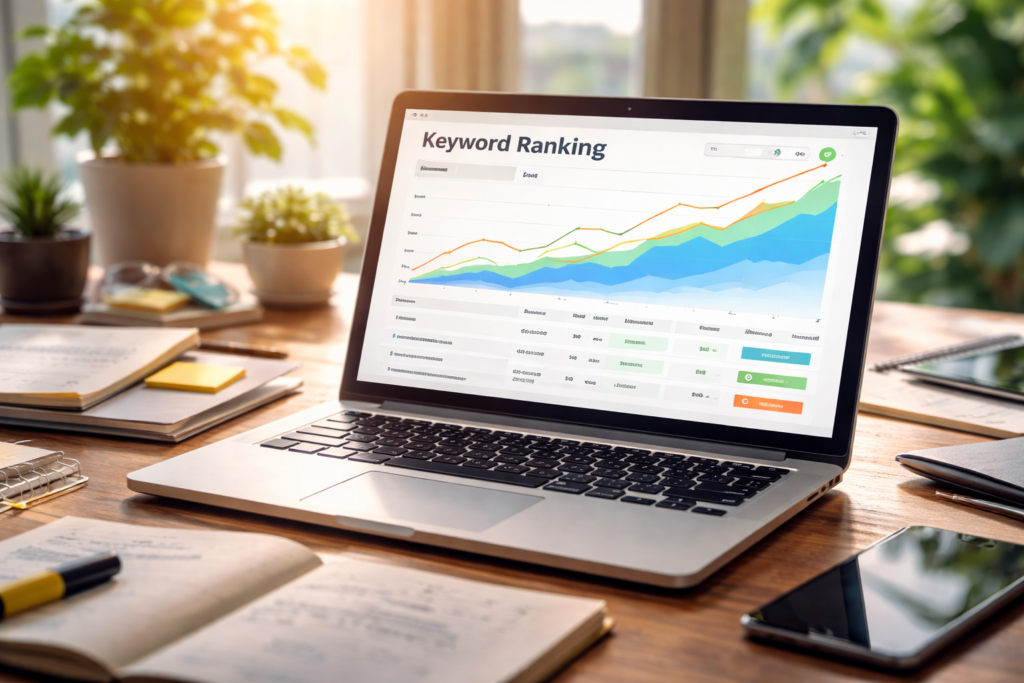
Keyword rankings show where your pages appear in search results for target keywords. While rankings alone don’t guarantee success, they provide insight into SEO momentum.
What to Measure
- Ranking positions for primary keywords
- Keyword movement over time
- Visibility across keyword groups
- Ranking distribution (top 3, top 10, top 20)
Focus on trends rather than daily fluctuations.
Search Visibility and Impressions

Visibility measures how often your website appears in search results, even if users don’t click.
Why It Matters
- Indicates brand exposure
- Shows early SEO progress
- Helps identify new opportunities
Growing impressions often come before traffic increases.
Click-Through Rate (CTR)

CTR measures how often users click your listing when it appears in search results.
Why CTR Matters
A page can rank well but still underperform if users don’t click.
How to Improve CTR
- Optimise title tags
- Write compelling meta descriptions
- Use structured data where applicable
- Match search intent
CTR connects rankings with real user engagement.
User Engagement Metrics

Search engines consider how users interact with your website. Strong engagement signals indicate relevance and value.
Key Engagement Metrics
- Bounce rate
- Time on page
- Pages per session
- Scroll depth
Improved engagement often leads to stronger rankings and conversions.
Conversions: Measuring Business Impact

SEO success should be tied directly to business outcomes. Conversions measure how well organic traffic turns into actions.
Types of SEO Conversions
- Contact form submissions
- Phone calls
- Bookings or appointments
- Purchases
- Newsletter signups
Tracking conversions helps measure SEO’s true value.
Conversion Rate from Organic Traffic

Conversion rate shows how effectively your SEO traffic turns into leads or customers.
Why It Matters
High traffic without conversions means SEO is attracting the wrong audience or pages need optimisation.
Improving conversion rate often delivers faster ROI than chasing more traffic.
Content Performance Metrics

SEO relies heavily on content, making content performance critical to measure.
What to Track
- Pages driving organic traffic
- Keywords each page ranks for
- Engagement metrics per page
- Conversion contribution
Strong content performance indicates alignment with search intent.
Backlink Profile and Authority Signals

Backlinks help search engines evaluate trust and authority.
What to Measure
- Number of referring domains
- Quality of backlinks
- Growth trends
- Anchor text distribution
Focus on backlink quality rather than quantity.
Technical SEO Health Metrics
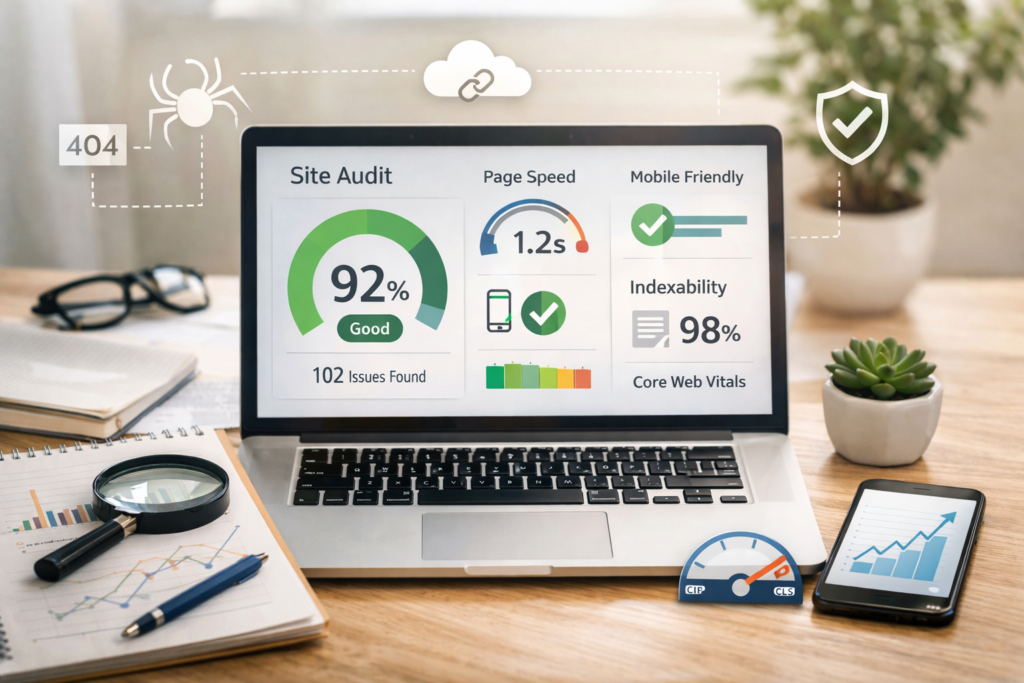
Technical SEO ensures your website can be crawled and indexed efficiently.
Key Technical Metrics
- Crawl errors
- Index coverage
- Page speed and Core Web Vitals
- Mobile usability
- HTTPS status
Technical issues can silently limit SEO performance.
Local SEO Performance

For location-based businesses, local SEO metrics are critical.
Local SEO Metrics
- Google Business Profile views
- Map pack visibility
- Direction requests
- Phone calls
- Reviews and ratings
Local engagement metrics directly reflect customer intent.
Measuring SEO Performance Over Time
SEO performance should be measured over months, not days. Short-term fluctuations are normal.
Best Practices
- Compare month-over-month and year-over-year data
- Track long-term trends
- Focus on consistent growth
SEO compounds with time and consistency.
SEO Performance vs Vanity Metricsim

Vanity metrics look impressive but offer little business insight.
Vanity Metrics to Avoid
- Ranking for irrelevant keywords
- Traffic without engagement
- Impressions without clicks
Focus on metrics tied to revenue and growth.
How Often Should SEO Performance Be Measured?

- Weekly: technical checks and alerts
- Monthly: performance reviews
- Quarterly: strategic analysis
Regular measurement prevents issues and supports optimisation.
Common Mistakes When Measuring SEO Performance
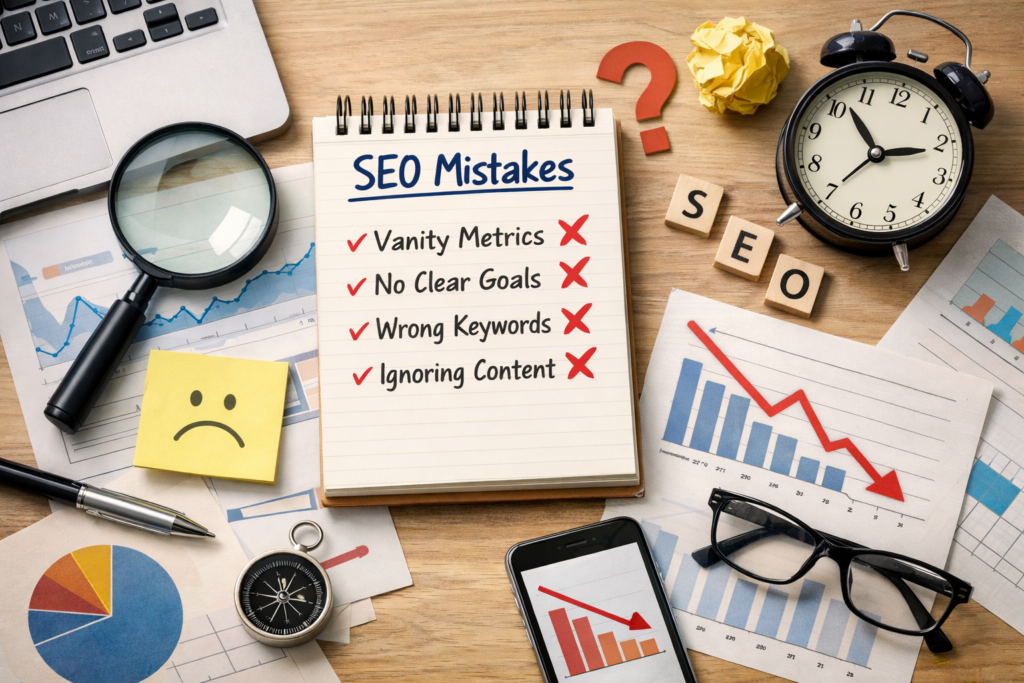
Businesses often measure SEO incorrectly by:
- Tracking only rankings
- Ignoring conversions
- Focusing on short-term changes
- Comparing SEO to paid ads
- Not aligning metrics with goals
Avoiding these mistakes leads to clearer insights.
How Long Does It Take to See Measurable SEO Results?
SEO performance typically shows:
- Early signals within weeks
- Traffic improvements in 3–6 months
- Strong ROI over 6–12 months
Patience and consistency are essential.
Using SEO Data to Improve Performance
Measurement is only valuable if data is used to optimise.
SEO data helps:
- Improve content strategy
- Fix technical issues
- Refine keyword targeting
- Increase conversion rates
Data-driven SEO delivers sustainable growth.
How to Measure SEO Performance Correctly
Measuring SEO performance correctly requires focusing on meaningful metrics, not just rankings. Organic traffic, engagement, conversions, visibility, and technical health together provide a complete picture of SEO success.
By understanding how to measure SEO performance correctly, businesses can make smarter decisions, improve ROI, and build long-term digital growth.
SEO is not just about being visible—it’s about delivering real business results.