When starting a new Google Ads campaign in 2026, results rarely appear overnight. Typically, it takes anywhere from 2 to 6 weeks for campaigns to gather enough data to optimize effectively. During this period, Google’s algorithms learn which keywords, audiences, and ad placements perform best.
Initial impressions and clicks help refine targeting, but conversions may take longer depending on your product or service. Factors such as ad quality, bid strategy, and landing page experience also influence the speed of results.
Continuous monitoring and adjustments are crucial during this learning phase. Patience combined with strategic optimization usually leads to more consistent and profitable outcomes over time.
How Long Does It Take for Google Ads to Work?
Before running paid campaigns, most business owners ask one question first:
How long does it take for Google Ads to start delivering results?
Google Ads can begin sending traffic within hours, but getting stable leads, consistent sales, and a profitable ROI usually takes longer. The real timeline depends on your industry, campaign setup, budget, landing pages, and how actively the account is optimized.
In this 2026 guide, you’ll learn the realistic timeline, what happens in each stage, and how to speed up performance without wasting budget.
Phase 1: The First 24–48 Hours

Once your campaign is approved, Google can show your ads almost immediately.
In the first day or two, you may notice:
- Impressions and clicks starting quickly
- CPC (cost per click) moving up and down
- CTR fluctuating
- Early leads (sometimes) coming in fast
However, these first results are not stable enough to judge the campaign.
At this stage, Google is still collecting signals about who is clicking, how users behave, and which searches are relevant.Best mindset: You’re gathering data, not measuring success yet.
Phase 2: The Learning Period (Week 1–2)

After launch, Google Ads enters what marketers often call the “learning” period.
During this time, the system tests and adjusts things like:
- Auction performance
- Bid strategy behavior
- Search term relevance
- Audience patterns
- Device and location performance
Many businesses do start seeing leads in the first week — especially if they’re targeting high-intent searches like local services, emergency solutions, or direct purchase keywords.
Still, performance can be inconsistent. It’s normal to see:
- Strong results one day
- Weak results the next
- Cost per lead shifting frequently
This stage is about stabilizing, not scaling.
Phase 3: Optimization and Improvement
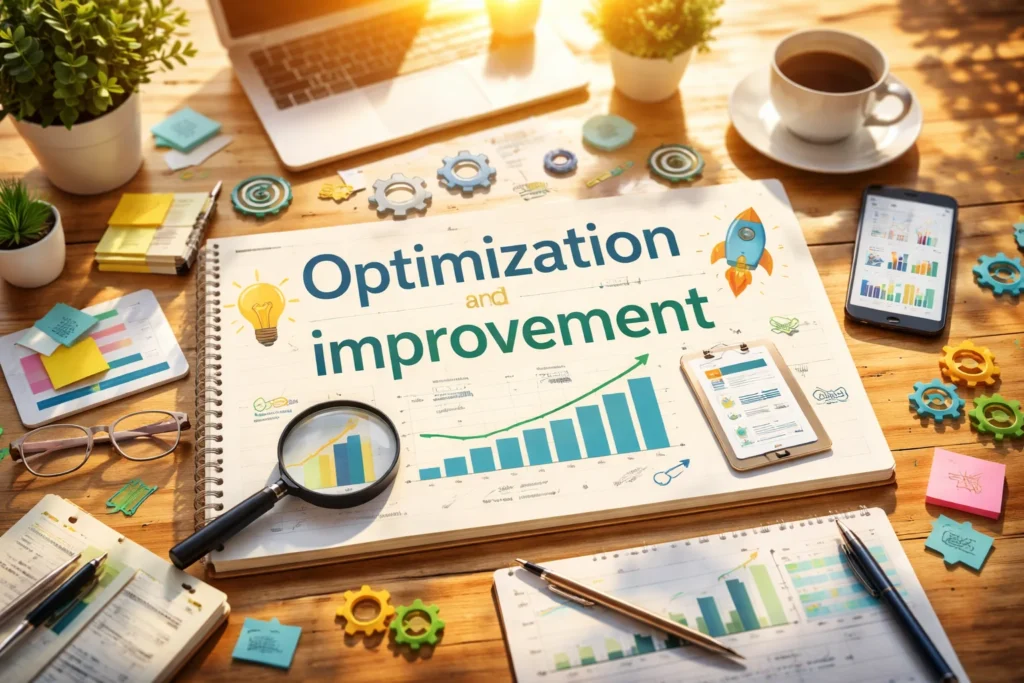
By week 3, most campaigns start showing clearer patterns.
This is the point where smart optimization begins to make a noticeable difference, including:
- Removing irrelevant search terms
- Adding negative keywords
- Improving ad copy for higher CTR
- Fixing landing page conversion issues
- Adjusting bids, locations, and schedules
- Improving tracking accuracy
For most industries, this is when results begin improving consistently, and you can start making decisions based on real data rather than random fluctuations.
Phase 4: Profitability and Consistency
For most businesses, the realistic “profitability window” is:
30 to 60 days
That’s the period where you typically have enough data to confidently measure:
- Cost per lead or acquisition
- Conversion rate stability
- Keyword winners vs losers
- Which ads actually drive sales
- Which locations and devices convert best
- Which landing page versions perform better
By this stage, campaigns can often be scaled, improved, and made predictable.
Why Google Ads Can Work Faster Than SEO
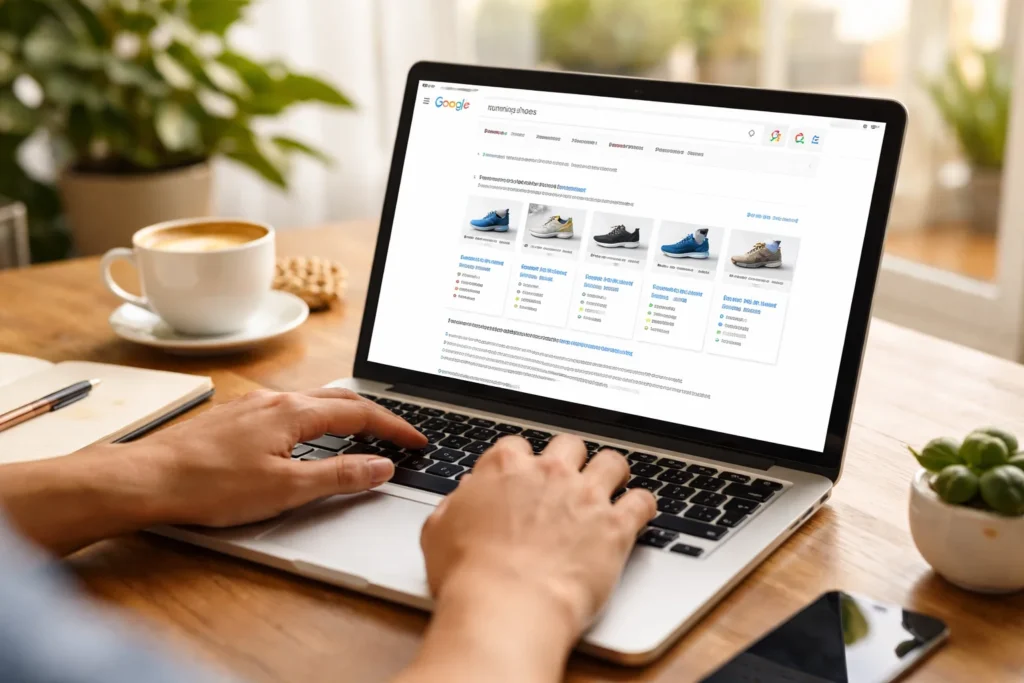
Google Ads is built for immediate visibility.
Unlike SEO, which takes months of ranking, Google Ads works through an auction system. If your targeting and bids are strong enough, your ad can appear the same day someone searches for:
- “best accountant near me”
- “emergency plumber in [city]”
- “buy laptop online”
- “digital marketing agency pricing”
That’s why Google Ads is often the fastest option for:
- Local service businesses
- High-demand services
- Lead generation campaigns
- Ecommerce product launches
- Time-sensitive offers
But fast traffic does not always mean fast profit — especially if the campaign setup is weak.
What Affects How Fast Google Ads Starts Performing?
Even with the same platform, two businesses can get very different timelines.
Here are the biggest factors.
1. Industry Competition

Some industries are extremely competitive, such as:
- Legal services
- Insurance
- Loans and finance
- Real estate
- Medical services
In these spaces, results may take longer because:
- CPC is higher
- More advertisers are bidding
- Users compare multiple providers
- Trust matters more
2. Keyword Intent (This Is Huge)
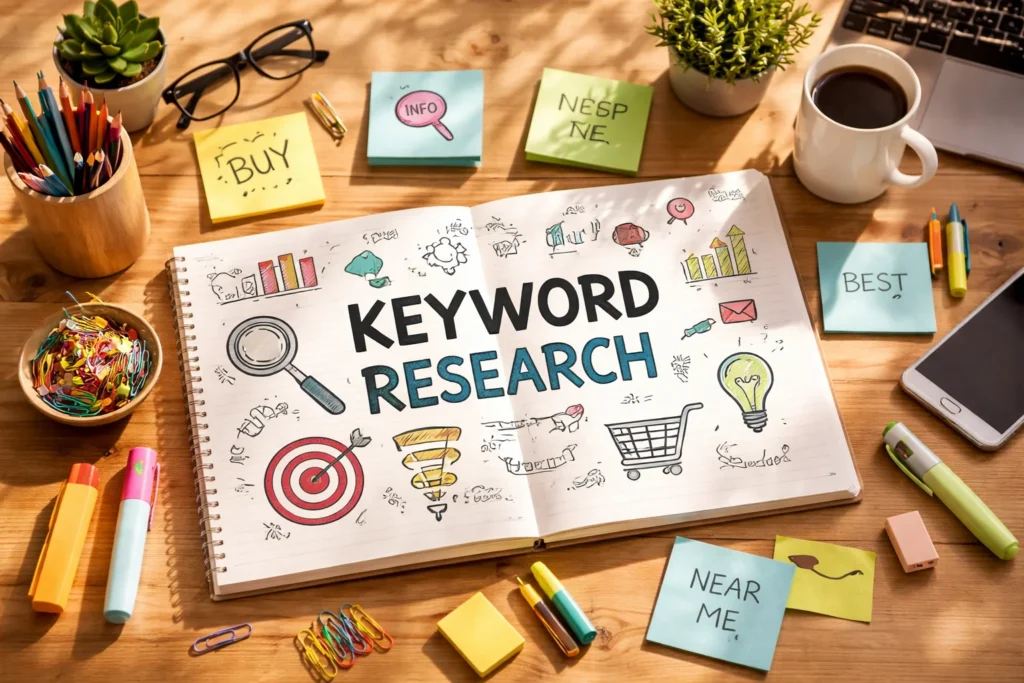
Not all keywords convert the same.
High-intent keywords usually generate faster results, such as:
- “hire electrician near me”
- “book dentist appointment today”
- “buy running shoes online”
Low-intent keywords may bring clicks but slower conversions, such as:
- “what is PPC advertising”
- “how does insurance work”
- “types of running shoes”
If your campaign focuses too much on informational intent, results often take longer and cost more.
3. Budget and Data Speed
A very small budget slows optimization.
Why? Because Google Ads needs enough clicks and conversions to learn what works.
If you only get a few clicks per day, you may not collect enough data to optimize properly.
A higher (but controlled) budget helps the account learn faster — as long as the campaign structure is solid.
4. Landing Page Performance
Many Google Ads campaigns fail not because of ads, but because of the landing page.
If your landing page:
- Loads slowly
- Doesn’t match the ad message
- Has weak trust signals
- Confuses users
- Isn’t mobile-friendly
You’ll struggle to convert — even if your ad gets clicks.
A strong landing page can speed up results dramatically.
Good Early Signs Google Ads Is Working
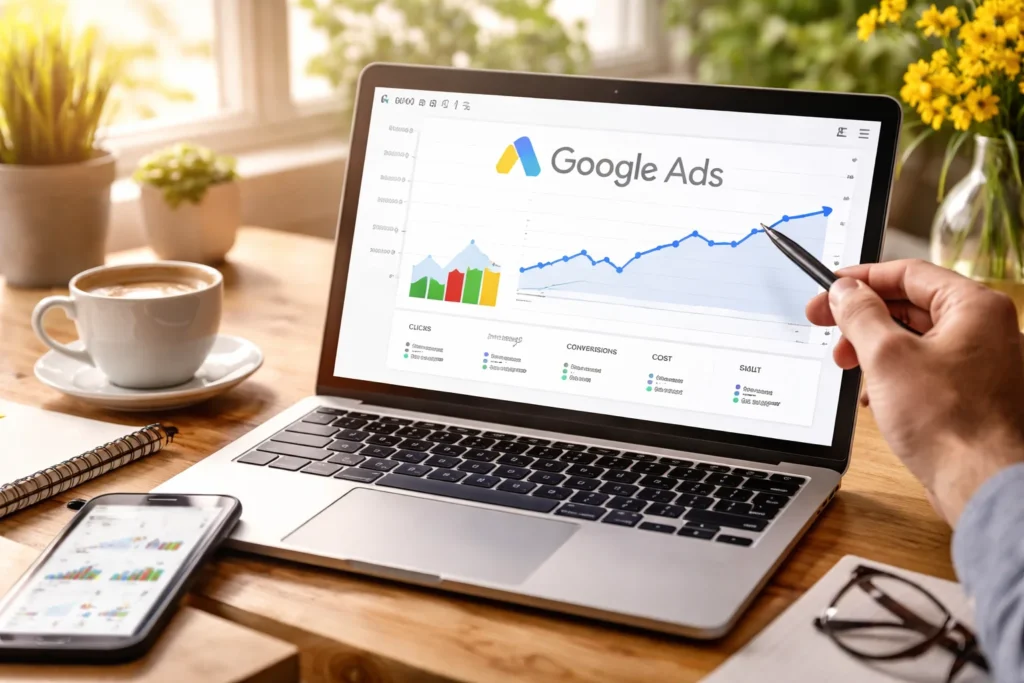
In the first 7–14 days, you usually won’t see perfect ROI yet — but you can spot strong early indicators that the campaign is moving in the right direction.
Look for signs like:
- CTR slowly improving, meaning your ads are becoming more appealing to searchers
- CPC leveling out, instead of rising sharply every day
- Search terms becoming cleaner and more relevant, with fewer unrelated clicks
- Conversion rate starting to climb, even if it’s still small
- Cost per lead trending downward, even if it’s not ideal yet
The key is momentum. If the performance is gradually improving, that’s a strong signal the campaign is learning and optimization is working.
When Should You Make Changes?
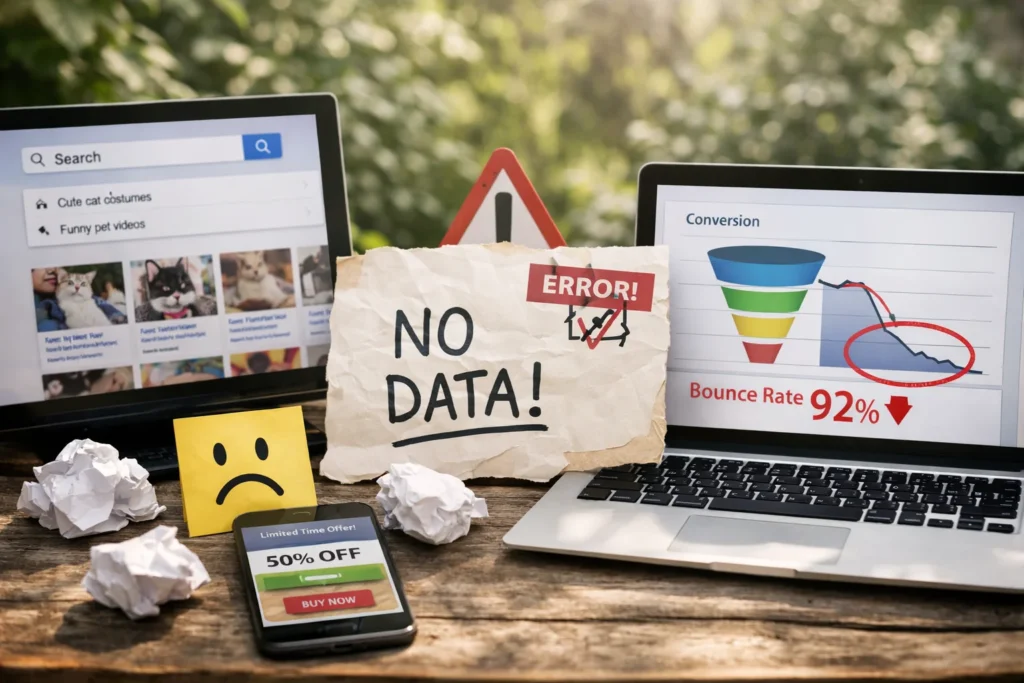
One of the biggest mistakes advertisers make is changing too many things too often.
Avoid making major edits daily — it resets learning and makes it harder to identify what’s actually working.
However, you should take action quickly if:
- Your CPC is extremely high and you’re getting zero leads
- Search terms show obvious irrelevant traffic
- Your targeting is clearly wrong (wrong locations, wrong audience intent)
- Conversion tracking is missing or broken
- Your landing page is causing heavy drop-offs or very high bounce rates
The goal is not constant tweaking — it’s making smart, evidence-based adjustments.
Frequently Asked Questions
How long does Google Ads take to start generating leads?
Some campaigns start producing leads within a few days. But consistent, predictable results usually take 30–60 days, especially for new accounts or new industries.
Why aren’t my Google Ads converting quickly?
Common reasons are wrong intent keywords, a weak landing page, tracking/conversion setup issues, and a too-small budget to gather enough data.
Can Google Ads work with a low budget?
Yes — but smaller budgets usually mean slower learning. You’ll still get results, but it may take longer to optimize and reach stable performance.
Is Google Ads faster than SEO?
Yes. Google Ads can drive traffic immediately. SEO is powerful long-term, but typically takes months to build rankings and authority.
Final Thoughts
So, how long does it take for Google Ads to work?
- Technically: you can start getting impressions and clicks within hours
- Realistically: you’ll see meaningful performance trends within 1–2 weeks
- Profitably: most campaigns reach stable ROI within 30–60 days
Google Ads is one of the quickest ways to reach people actively searching for what you sell — but strong results come from good targeting, clean tracking, and steady optimization.
In 2026, the businesses that win with Google Ads are the ones that treat it like a measurable system — not a shortcut.