
Social media ad targeting uses data like demographics, interests, behavior, and online activity to show ads to the most relevant audiences. Platforms analyze user interactions, engagement patterns, and browsing signals to predict what content people are most likely to respond to.
Advertisers can define custom audiences based on age, location, interests, and purchasing behavior. Advanced algorithms then optimize delivery in real time to improve performance and reduce wasted spend.
Tools like lookalike audiences and retargeting help brands reach users similar to existing customers. In 2026, AI-driven automation and privacy-focused targeting strategies play a bigger role than ever.
Understanding how these systems work allows businesses to increase ROI and create more personalized, effective campaigns.
Understanding Social Media Ad Targeting

Social media has revolutionized advertising by enabling businesses to reach specific groups instead of broadcasting messages to everyone.
Many marketers still ask:
How does ad targeting actually work on social media?
Grasping this process is essential to reduce wasted ad spend, improve ROI, and run campaigns efficiently.
In short: social media platforms use user data, interests, behaviors, and machine learning algorithms to deliver ads to people most likely to engage or convert. This is precision marketing powered by insights.
What Is Social Media Ad Targeting?

Ad targeting on social media means selecting audiences for paid ads based on who they are and how they behave online.
Rather than showing ads randomly, platforms analyze data to understand:
- User demographics
- Interests and hobbies
- Online behavior and purchase patterns
- Content they engage with
The result: ads reach the right users, improving campaign effectiveness and ROI.
The Data Behind Targeting
Social platforms gather extensive data from:
- User profiles
- Engagements (likes, comments, shares)
- Searches and page visits
- Video and content consumption
- Website activity via tracking pixels
- Purchase history
This data allows advertisers to define precise audiences and tailor campaigns to their interests.
Types of Social Media Targeting
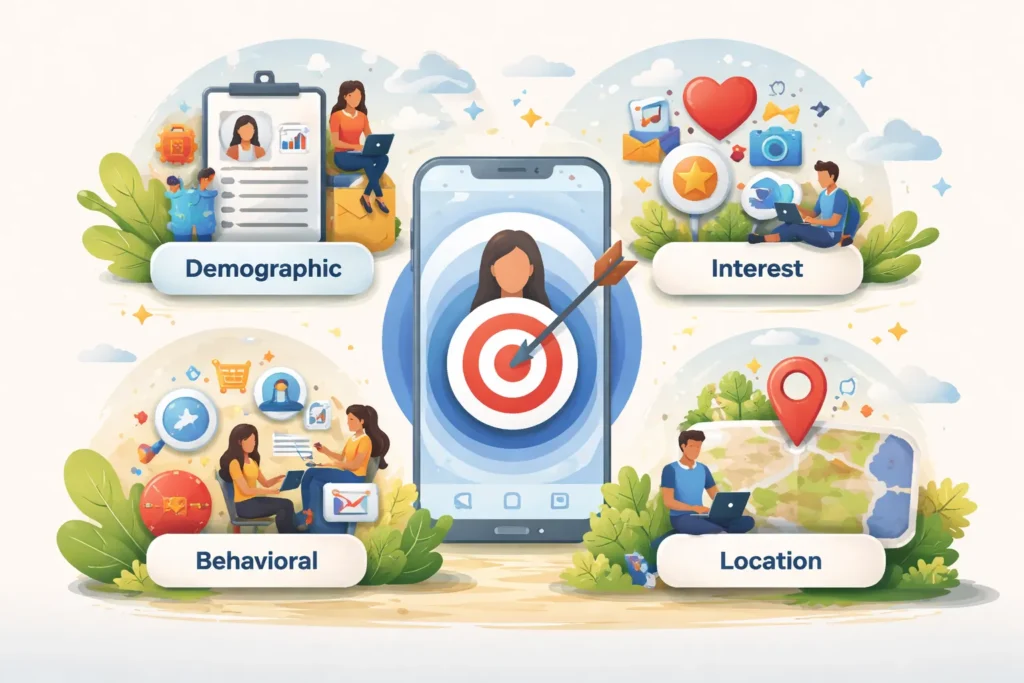
Demographic Targeting
Focuses on attributes such as age, gender, location, education, income, and job titles.
Example: A luxury brand may target users aged 30–50 with higher incomes.
Interest-Based Targeting
Uses behavior patterns to identify preferences. Platforms analyze liked pages, videos, and groups.
Example: A fitness company can target users interested in health, workouts, and nutrition.
Behavioral Targeting
Targets users based on actions like online shopping habits, device usage, or travel behavior.
Example: Frequent online shoppers can be shown e-commerce promotions.
Custom Audiences
Allows targeting people who have interacted with your brand: website visitors, email subscribers, app users, or past customers. This is highly effective for remarketing campaigns.
Lookalike Audiences
Uses algorithms to find new users similar to your best customers, expanding reach without losing relevance.
How Algorithms Enhance Targeting

Social media targeting isn’t only manual. Algorithms continuously analyze engagement and performance data to:
- Deliver ads to high-potential users
- Optimize bidding automatically
- Improve conversion likelihood
The more data collected, the smarter and more efficient the system becomes.
Tracking Pixels and Their Role

Tracking pixels are tiny snippets of code added to websites to:
- Monitor user behavior
- Measure conversions
- Build remarketing audiences
- Optimize ad delivery
Without them, targeting loses precision, and campaigns may underperform.
Why Ad Targeting Matters
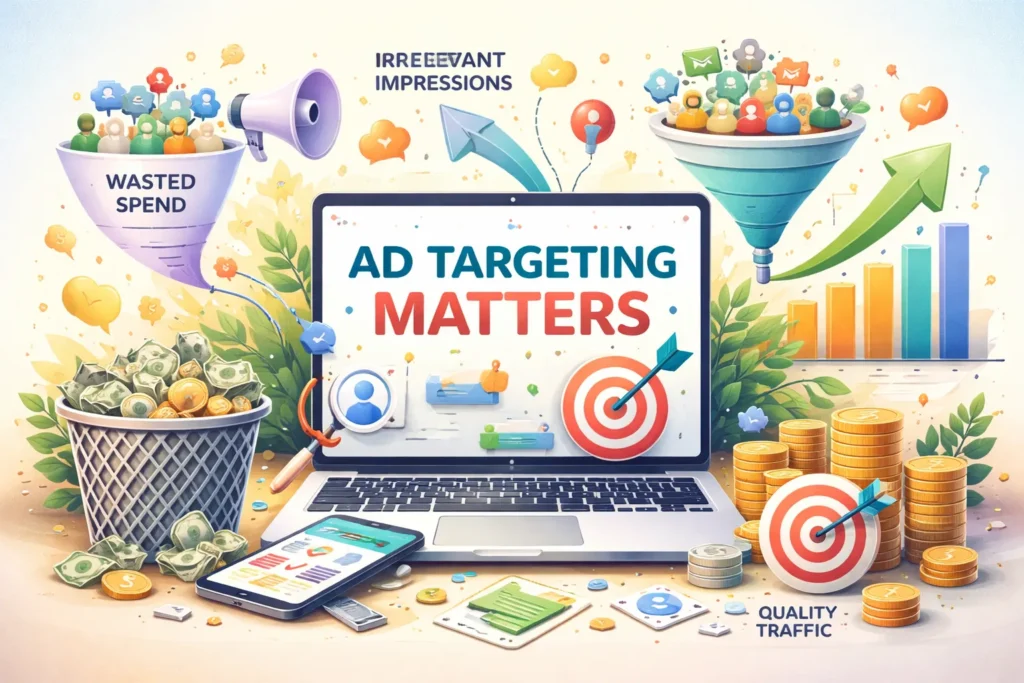
Effective targeting helps businesses:
- Reduce wasted ad spend
- Avoid irrelevant impressions
- Improve traffic quality
- Increase conversions and ROI
Instead of reaching everyone, targeting ensures your message reaches the right people at the right time.
Paid Ads vs Organic Reach
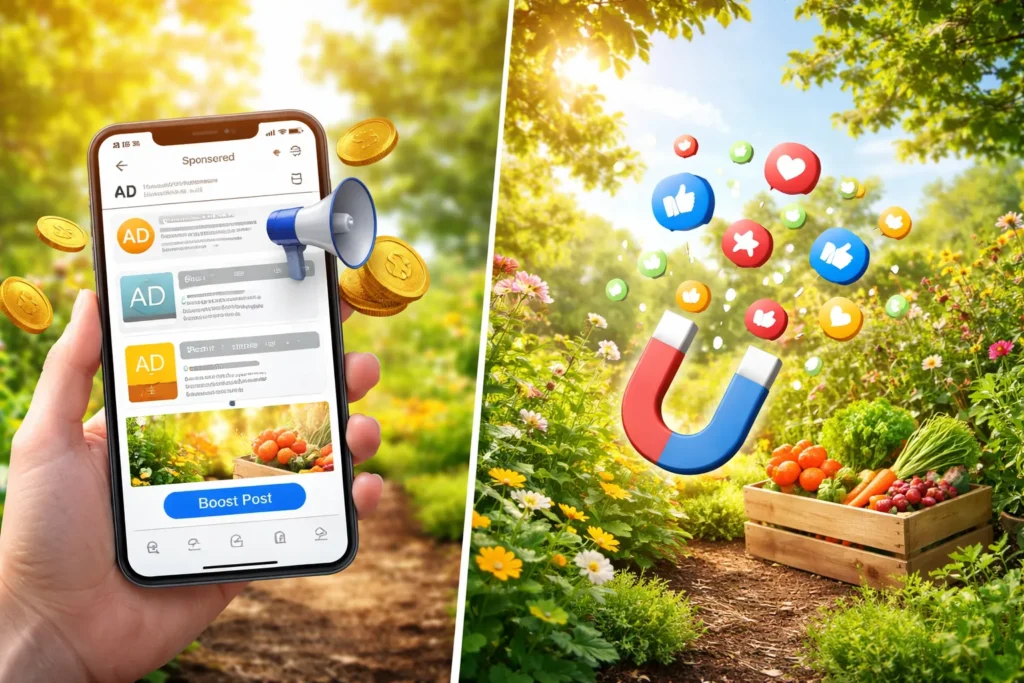
Organic posts typically reach only a small portion of followers. Paid targeting allows brands to:
- Reach precise audiences
- Expand beyond current followers
- Control visibility and scale campaigns
Paid targeting offers efficiency and control that organic strategies cannot match.
Privacy and Data in 2026

With stricter privacy laws and reduced cookie tracking, businesses must rely more on:
- First-party data
- Platform engagement insights
- Aggregated behavioral data
Best practices include building email lists, collecting consented customer data, and maintaining strong data hygiene to improve targeting.
Tips to Improve Social Media Targeting
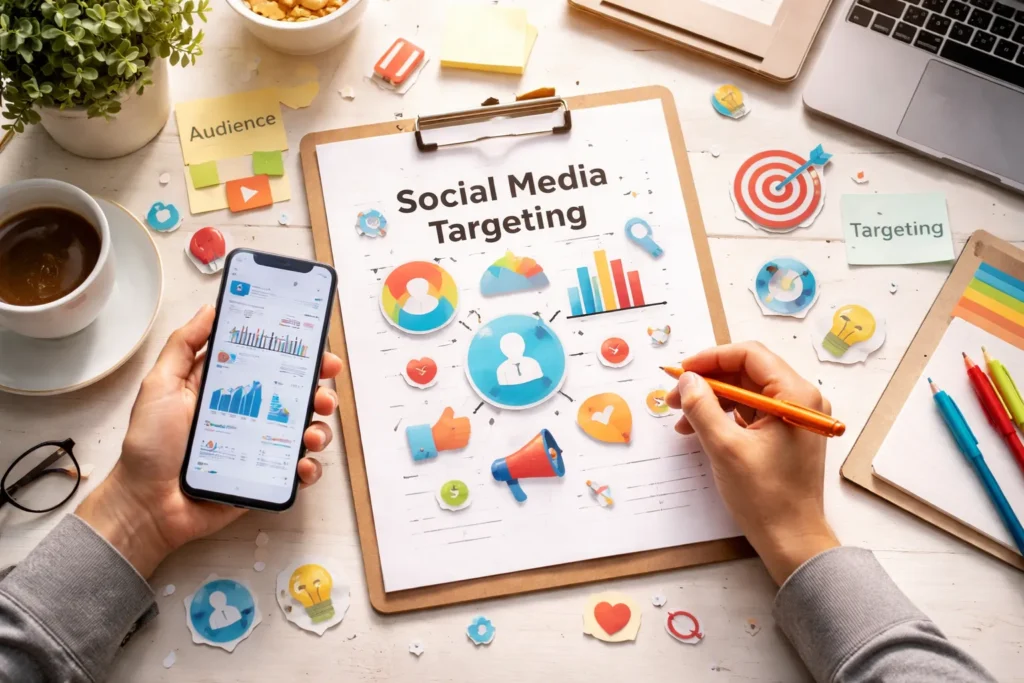
Define Your Ideal Customer
Create detailed buyer personas including demographics, interests, challenges, and buying behavior.
Use Layered Targeting
Combine multiple criteria like age + location, interests + behavior, or custom + lookalike audiences for better precision.
Test Different Audience Segments
Experiment with broad targeting, niche targeting, retargeting, and lookalikes to find the highest-performing segments.
Optimize Using Metrics
Track CTR, CPC, conversion rate, and CPA. Use data to refine and improve targeting strategies.
Common Mistakes in Targeting

- Too Broad: Ads reach irrelevant users.
- Over-Narrow: Limits growth potential.
- Ignoring Data: Failing to adjust campaigns based on performance.
- Skipping Retargeting: Missing opportunities with warm audiences.
- Misaligned Creative: Ads must resonate with the audience’s interests.
Does Targeting Guarantee Success?

Targeting is crucial but not sufficient. Success also requires:
- Compelling ad creatives
- Clear messaging
- Optimized landing pages
- Competitive offers
Targeting brings users in; creatives convert them.
FAQs
How does social media know what ads to show?
By analyzing user behavior, engagement, interests, and demographics.
Is social media ad targeting accurate?
Yes, especially when combined with first-party data and performance tracking.
Can small businesses use advanced targeting?
Absolutely. Social platforms provide detailed tools for businesses of all sizes.
Does targeting increase ad costs?
Not necessarily. Precision targeting often reduces cost per acquisition.
Conclusion
Mastering social media ad targeting in 2026 gives businesses a competitive edge. Using data-driven insights, layered targeting, and continuous optimization ensures your campaigns reach the right audience, improve ROI, and convert effectively.