
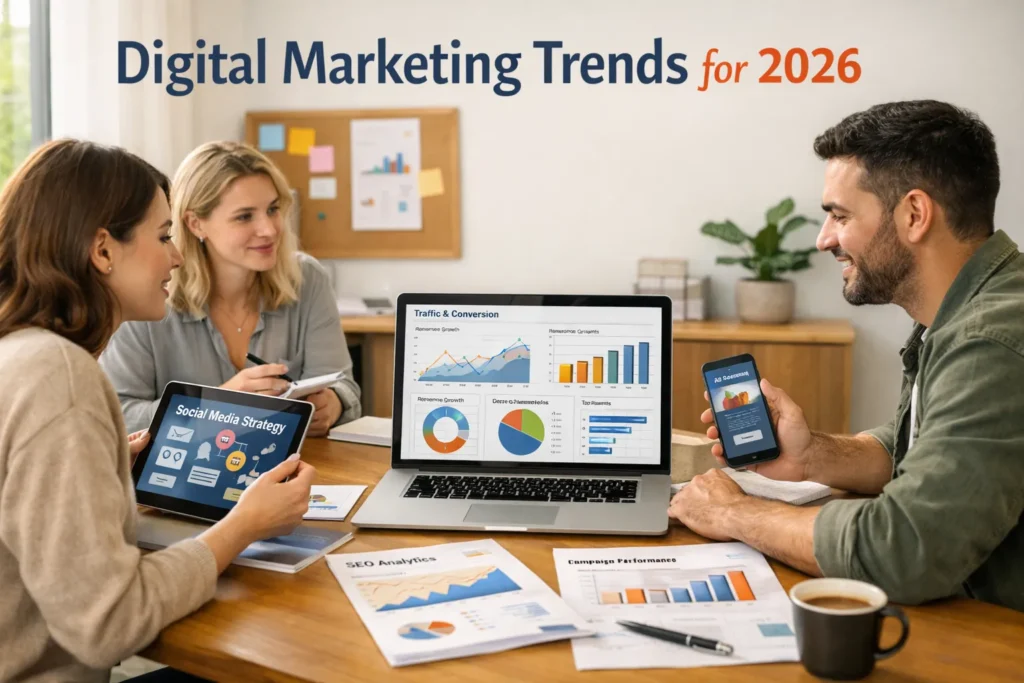
Digital marketing in 2026 is becoming more data-driven, personalized, and automation-focused. Businesses are using AI tools to create content, analyze customer behavior, and predict future buying patterns more accurately.
Short-form video, interactive content, and voice search optimization are growing rapidly as users prefer faster and engaging experiences. Privacy-first marketing is also important, with brands relying more on first-party data instead of third-party cookies.
Omnichannel strategies now connect websites, social media, email, and messaging apps into one seamless journey. Influencer and community-based marketing continue to build trust and brand loyalty.
Companies that adapt quickly to these trends will stay competitive and achieve sustainable online growth.
Digital Marketing Trends Businesses Should Know
Digital marketing evolves rapidly. What worked two years ago may no longer deliver the same results today. Businesses that fail to adapt risk losing visibility, engagement, and market share.
If you’re researching digital marketing trends businesses should know, understanding these shifts is essential for staying competitive in 2026.
From AI-powered optimization to advanced personalization and search evolution, digital marketing is becoming more data-driven, automated, and user-focused.
This guide explores the most important trends shaping modern digital growth strategies.
1. AI-Driven Marketing Automation

Artificial intelligence is transforming digital marketing.
AI now supports:
- Automated ad bidding
- Content recommendations
- Predictive analytics
- Chatbots and conversational marketing
- Customer segmentation
Marketing platforms use machine learning algorithms to analyze large datasets and optimize campaigns in real time.
Businesses leveraging AI-driven tools gain:
- Faster decision-making
- Higher campaign efficiency
- Improved targeting precision
- Reduced manual workload
AI is no longer optional — it’s becoming foundational.
2. The Rise of AI Search and Generative Results
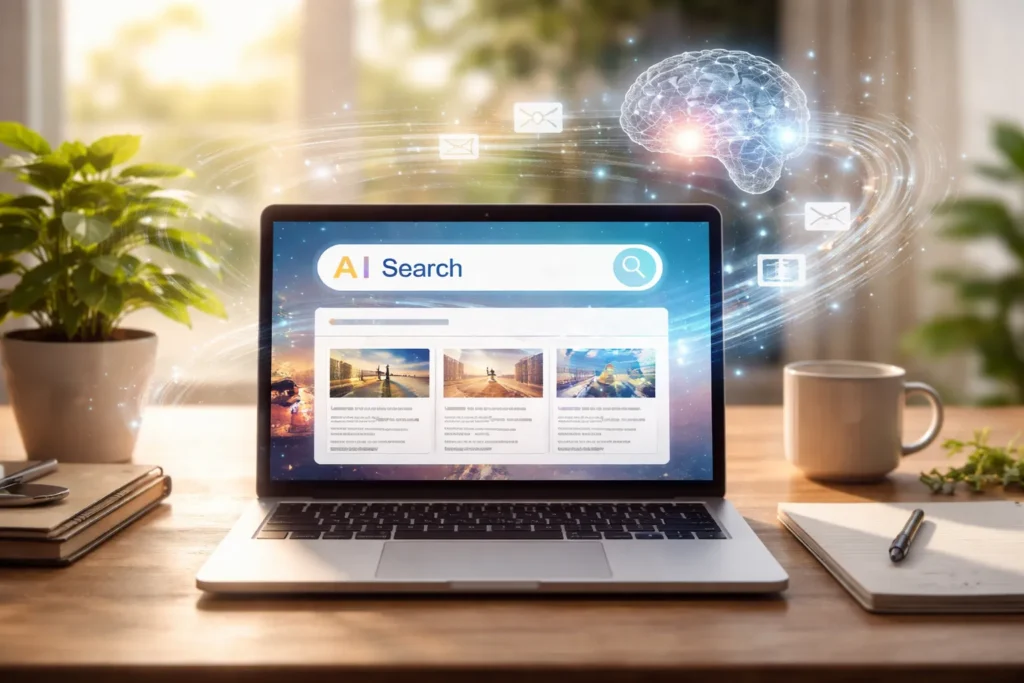
Search engines are evolving beyond traditional ranking systems.
AI-generated overviews and conversational search results are reshaping SEO strategies.
Businesses must now focus on:
- Intent-driven content
- Structured formatting
- Clear answers
- Authority signals
- Entity-based optimization
Optimizing for AI-powered search ensures visibility in summary results and conversational responses.
Search is becoming smarter, and SEO must evolve accordingly.
3. Hyper-Personalization at Scale

Modern consumers expect personalized experiences.
Personalization now includes:
- Dynamic website content
- Behavior-based email campaigns
- Targeted product recommendations
- Customized ad creatives
Data allows businesses to tailor messaging based on:
- Browsing behavior
- Purchase history
- Geographic location
- Engagement patterns
Personalized marketing increases conversion rates and customer loyalty.
Generic messaging is becoming less effective.
4. Short-Form Video Dominance

Video content continues to dominate digital platforms.
Short-form videos generate:
- Higher engagement rates
- Better retention
- Increased shareability
Businesses are using video for:
- Educational content
- Product demonstrations
- Behind-the-scenes insights
- Customer testimonials
Video marketing enhances emotional connection and brand storytelling.
Visual engagement drives attention in crowded digital spaces.
5. First-Party Data Collection
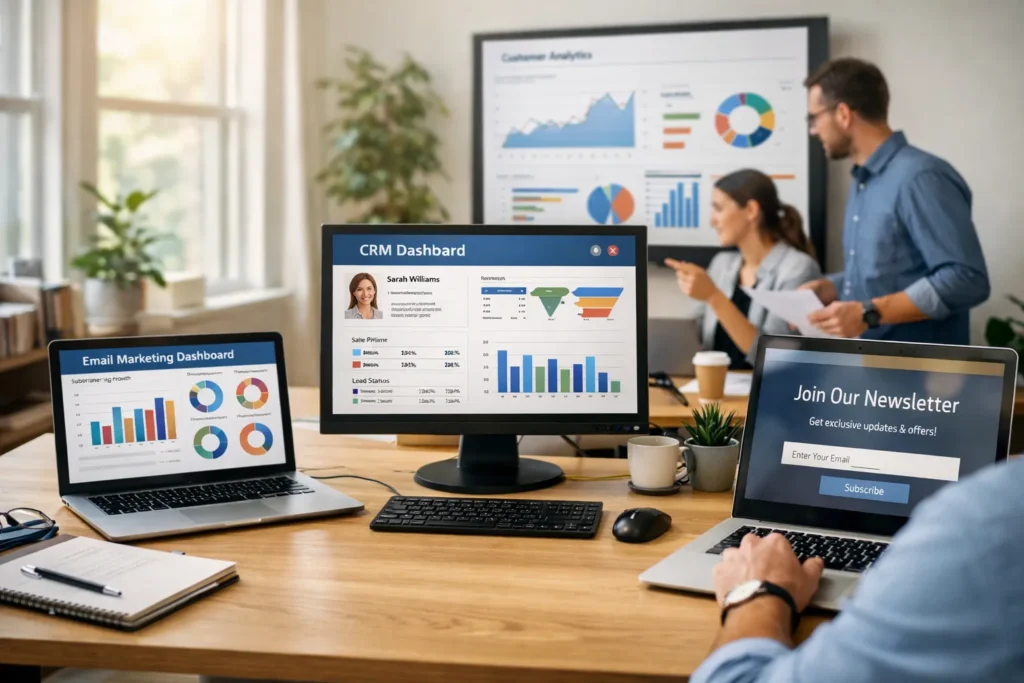
Privacy regulations and reduced third-party cookie tracking are changing digital marketing strategies.
Businesses now prioritize:
- Email list growth
- CRM systems
- Direct customer data
- Consent-based tracking
First-party data improves:
- Targeting accuracy
- Remarketing effectiveness
- Personalization capabilities
Building owned data assets is critical for long-term stability.
6. Performance Marketing Focus

Businesses increasingly demand measurable results.
Performance marketing prioritizes:
- Return on ad spend (ROAS)
- Cost per acquisition (CPA)
- Conversion rate optimization
- Revenue-driven strategies
Budgets are shifting toward campaigns with clear ROI tracking.
Marketing is no longer just about awareness — it’s about profitability.
Data-driven optimization continues to dominate decision-making.
7. Conversational Marketing and Chatbots

Real-time communication is becoming standard.
Businesses use:
- AI chatbots
- Live chat support
- Automated messaging systems
Conversational marketing improves:
- Customer engagement
- Lead qualification
- Response speed
Consumers expect immediate answers.
Automation supports 24/7 communication.
8. Omnichannel Marketing Integration

Customers interact with brands across multiple platforms.
Successful businesses integrate:
- Website experience
- Social media presence
- Email campaigns
- Paid advertising
- Customer support
Omnichannel strategies create seamless user journeys.
Consistent messaging across channels strengthens brand recognition.
9. Voice Search Optimization
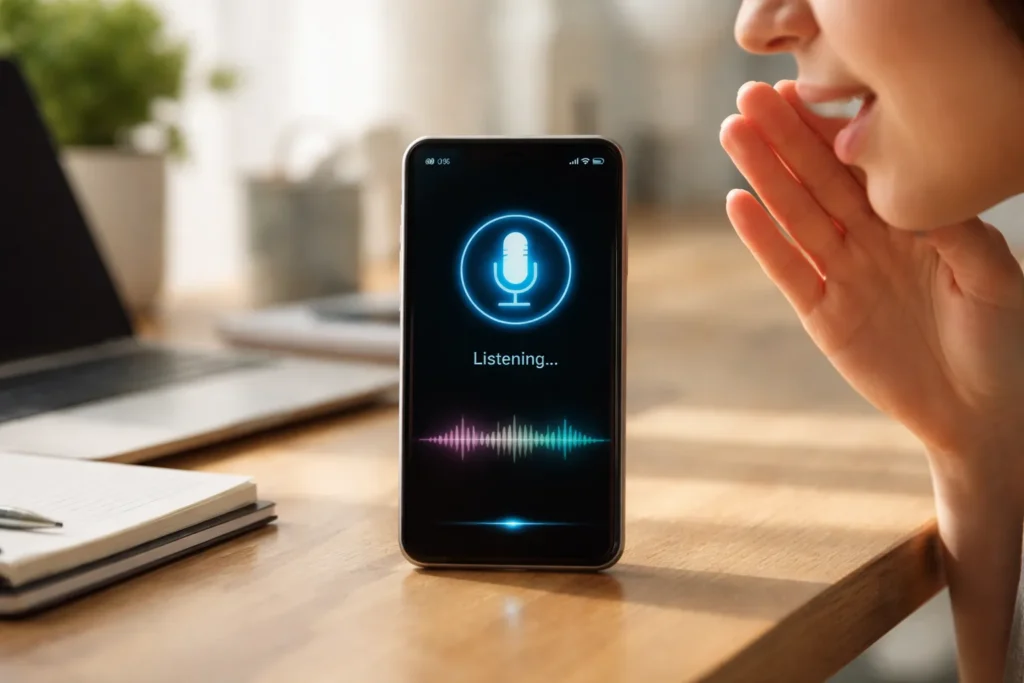
Voice search continues to grow through smart devices and mobile assistants.
Optimizing for voice includes:
- Conversational keyword phrases
- Question-based content
- Structured data
- Clear and concise answers
Voice queries are often longer and more natural.
Adapting to voice search improves accessibility and search visibility.
10. Ethical and Authentic Branding

Consumers increasingly value transparency and authenticity.
Businesses that emphasize:
- Social responsibility
- Clear communication
- Honest messaging
- Ethical practices
Build stronger brand loyalty.
Authentic branding influences purchasing decisions.
Trust remains a powerful competitive advantage.
11. Community-Driven Marketing

Community engagement is becoming central to growth strategies.
Brands build communities through:
- Social media groups
- Online forums
- Membership programs
- Interactive events
Community marketing fosters loyalty and long-term retention.
Engaged communities amplify organic reach.
12. Advanced Analytics and Attribution Models

Marketing attribution models are becoming more sophisticated.
Businesses now track:
- Multi-touch attribution
- Assisted conversions
- Customer lifetime value
- Cross-channel impact
Advanced analytics provide clearer insights into what drives revenue.
Better attribution leads to smarter budget allocation.
How Businesses Can Adapt to These Trends

To stay competitive in 2026, businesses should:
- Invest in AI-powered tools
- Build strong first-party data systems
- Optimize content for AI search
- Focus on personalization
- Prioritize measurable ROI
- Develop omnichannel strategies
Adaptation is essential for growth.
Staying informed prevents competitive decline.
Common Mistakes Businesses Make

Ignoring Emerging Technologies
Delaying AI adoption limits efficiency.
Relying on One Marketing Channel
Diversification improves stability.
Neglecting Data Collection
Data drives personalization and targeting.
Overlooking Customer Experience
User experience impacts retention and conversions.
Avoiding these mistakes strengthens long-term positioning.
The Future of Digital Marketing

Digital marketing is becoming:
- More automated
- More personalized
- More data-driven
- More customer-centric
Businesses that combine technology with strategic planning will outperform competitors.
The future belongs to brands that adapt quickly and optimize continuously.
Frequently Asked Questions
What is the biggest digital marketing trend in 2026?
AI-driven optimization and personalization are among the most significant trends.
How can small businesses adapt to digital marketing trends?
By adopting scalable tools, focusing on content quality, and prioritizing ROI tracking.
Are traditional marketing methods still relevant?
They may support branding, but digital strategies dominate measurable growth.
How often should businesses update their digital strategies?
Strategies should be reviewed quarterly and adjusted based on performance data.
Final Thoughts
Understanding the digital marketing trends businesses should know is essential for long-term growth.
The digital landscape is evolving toward:
- AI-powered automation
- Personalized user experiences
- Data-driven optimization
- Omnichannel integration
Businesses that stay proactive — rather than reactive — will build sustainable competitive advantages.
In 2026, growth depends on adaptability, innovation, and measurable strategy execution.
Digital marketing is no longer optional.
It is the foundation of modern business success.