
Many businesses running ads on platforms like Google Ads and Facebook Ads make the mistake of targeting too broad an audience, which wastes budget and lowers conversions. Another common issue is focusing only on clicks instead of tracking real results like leads or sales.
Poor ad creatives, weak copy, and unclear calls-to-action also reduce campaign performance. Many brands ignore data analysis, failing to optimize campaigns regularly based on performance metrics. Not testing different ad variations (A/B testing) limits growth opportunities. Setting unrealistic budgets or stopping campaigns too early prevents proper learning and scaling.
In 2026, businesses that prioritize smart targeting, strong creatives, continuous testing, and data-driven optimization will avoid these costly paid advertising mistakes.
Common Paid Ads Mistakes Businesses Make

Paid advertising can generate immediate visibility, qualified leads, and scalable revenue. However, many businesses fail to see strong results — not because paid ads don’t work, but because they make preventable mistakes.
If you are investing in Google Ads, social media advertising, or display campaigns, understanding the common paid ads mistakes businesses make can save you significant time and budget.
In 2026, competition is high and ad costs are rising. Strategic execution is no longer optional. Small errors can drain budgets quickly.
This guide explains the most frequent mistakes and how to fix them.
1. Targeting the Wrong Audience

One of the biggest mistakes in paid advertising is poor audience targeting.
Businesses often:
- Target broad demographics
- Ignore intent signals
- Overlook location settings
- Fail to use audience segmentation
When targeting is too broad, you attract clicks from users who are unlikely to convert.
How to Fix It
- Use high-intent keywords
- Refine location targeting
- Exclude irrelevant audiences
- Utilize detailed interest and behavior filters
- Implement negative keywords
Precision targeting reduces wasted spend.
2. Ignoring Search Intent

Many businesses focus only on keywords without considering user intent.
There are three main intent types:
- Informational
- Commercial
- Transactional
Running ads on informational queries without a strategy often leads to low conversion rates.
How to Fix It
Align ads with buying stage.
- Use transactional keywords for direct sales
- Use retargeting for informational traffic
- Match landing pages with intent
Intent alignment improves ROI.
3. Sending Traffic to the Homepage

This is one of the most common paid ads mistakes businesses make.
Driving ad traffic to a generic homepage reduces conversions.
Users click expecting a specific solution. A homepage often creates confusion.
How to Fix It
Create dedicated landing pages that:
- Match ad messaging
- Address specific pain points
- Include strong calls to action
- Load quickly
- Are mobile-optimized
Landing page relevance directly impacts conversion rate.
4. Not Tracking Conversions Properly

Without accurate tracking, you cannot calculate ROI.
Some businesses:
- Track clicks but not conversions
- Fail to set up analytics correctly
- Ignore call tracking
- Overlook offline conversions
This leads to misleading performance data.
How to Fix It
Set up:
- Conversion tracking tools
- CRM integration
- Call tracking systems
- E-commerce tracking
- Proper attribution models
Data drives optimization.
5. Focusing Only on Cost Per Click (CPC)
Low CPC does not guarantee profitability.
Some businesses chase cheaper clicks while ignoring:
- Conversion rate
- Cost per acquisition (CPA)
- Return on ad spend (ROAS)
Cheap traffic that does not convert wastes budget.
How to Fix It
Prioritize:
- Cost per conversion
- Revenue per click
- Overall ROI
Profitability matters more than traffic volume.
6. Ignoring Ad Copy Optimization

Weak ad copy lowers click-through rates and reduces Quality Score.
Common mistakes include:
- Generic headlines
- No clear value proposition
- Missing call-to-action
- Keyword stuffing
Poor messaging reduces engagement.
How to Fix It
Write ads that:
- Address customer pain points
- Highlight unique benefits
- Include urgency or incentives
- Match search queries closely
Testing multiple variations improves performance.
7. Neglecting A/B Testing

Many businesses launch one ad version and leave it running.
Without testing:
- You miss optimization opportunities
- You cannot identify winning creatives
- Performance stagnates
How to Fix It
Continuously test:
- Headlines
- Descriptions
- Images
- Calls to action
- Audience segments
Small improvements compound over time.
8. Overlooking Mobile Optimization

Most paid ad traffic comes from mobile devices.
If your landing page:
- Loads slowly
- Has poor design
- Is hard to navigate
Users will leave immediately.
How to Fix It
Ensure:
- Fast loading speed
- Mobile-responsive design
- Easy-to-click buttons
- Clear forms
User experience impacts both conversions and Quality Score.
9. Setting Unrealistic Budgets

Some businesses expect high returns from minimal budgets.
Paid advertising requires:
- Testing
- Optimization
- Learning periods
Very low budgets limit data and optimization capacity.
How to Fix It
Start with:
- Sufficient budget for meaningful data
- Realistic expectations
- Gradual scaling
Paid ads require strategic investment.
10. Stopping Campaigns Too Early

Early performance may fluctuate.
Businesses sometimes:
- Pause campaigns after a few days
- Make drastic changes too quickly
- Fail to allow optimization time
This prevents algorithms from learning.
How to Fix It
Allow campaigns to gather:
- Enough clicks
- Enough conversions
- Sufficient data for optimization
Patience supports better decision-making.
11. Not Using Retargeting Campaigns

Many businesses focus only on new customer acquisition.
However, most users do not convert on first visit.
Ignoring retargeting wastes opportunity.
How to Fix It
Implement retargeting campaigns to:
- Re-engage website visitors
- Show dynamic product ads
- Offer incentives
- Recover abandoned carts
Retargeting improves overall ROI.
12. Poor Budget Allocation

Some businesses spread budgets evenly across campaigns without analyzing performance.
This leads to inefficient spending.
How to Fix It
Allocate budget based on:
- Conversion rate
- Profit margins
- Performance data
- High-intent segments
Data-driven allocation increases returns.
13. Ignoring Negative Keywords
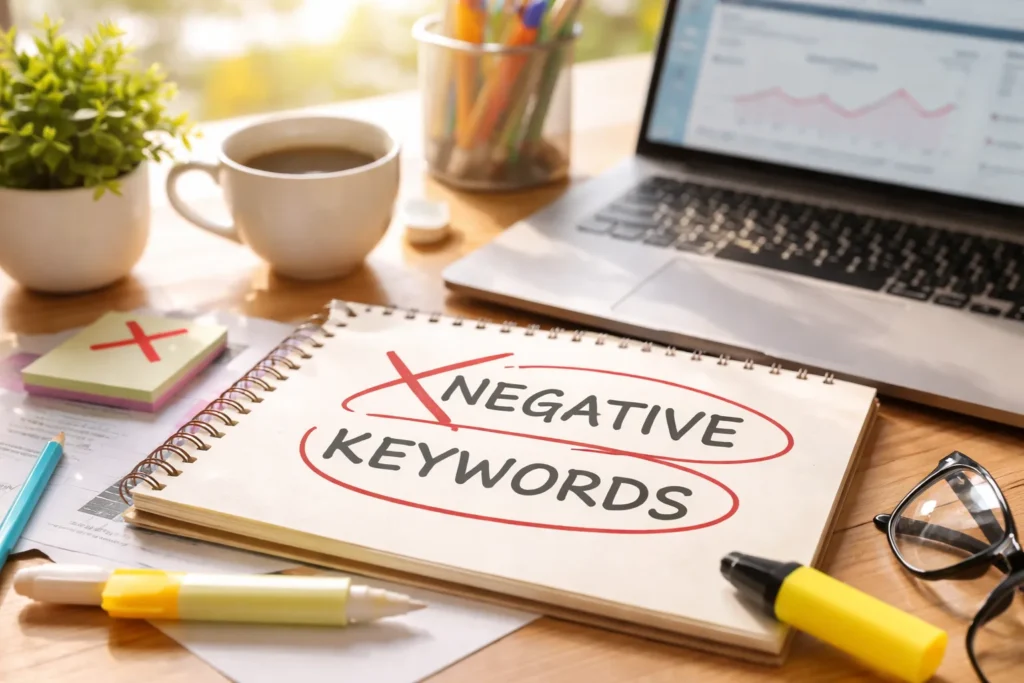
In search advertising, failing to use negative keywords attracts irrelevant traffic.
For example:
If you sell premium services, targeting “free” queries wastes budget.
How to Fix It
Regularly review search terms and exclude:
- Irrelevant keywords
- Low-converting terms
- Non-qualified traffic
Filtering improves efficiency.
14. Failing to Align Ads with Business Goals

Some campaigns generate traffic but not revenue.
If your objective is sales, optimizing for clicks alone is insufficient.
How to Fix It
Define goals clearly:
- Leads
- Sales
- Calls
- App downloads
Optimize campaigns toward the correct metric.
Why Avoiding These Mistakes Matters

Paid advertising is powerful but unforgiving.
Mistakes compound quickly.
Avoiding common paid ads mistakes businesses make leads to:
- Lower cost per acquisition
- Higher return on ad spend
- Better customer targeting
- Increased profitability
- Sustainable growth
Strategic management determines success.
Frequently Asked Questions
What is the biggest mistake in paid advertising?
Targeting the wrong audience and failing to track conversions properly.
How can small businesses reduce wasted ad spend?
By refining targeting, optimizing landing pages, and monitoring ROI consistently.
How often should ads be optimized?
Campaigns should be reviewed weekly and adjusted based on performance data.
Is professional management necessary?
While businesses can run ads independently, expert management often improves ROI and reduces mistakes.
Final Thoughts
Understanding the common paid ads mistakes businesses make helps you avoid unnecessary losses and maximize advertising performance.
Paid advertising is not just about launching campaigns — it is about continuous optimization, data analysis, and strategic targeting.
To succeed in 2026:
- Focus on high-intent audiences
- Track performance accurately
- Optimize landing pages
- Test ad creatives
- Monitor ROI consistently
Paid ads can drive significant growth — but only when managed strategically.
Avoiding common mistakes transforms advertising from a cost into a powerful growth engine.