
A website can have a clean design and strong branding, yet still struggle to get visitors from Google if it is not built with SEO in mind. Search engine optimisation is not only about adding keywords—it also depends on how your site is organised, how quickly it loads, how easy it is to use, and how smoothly search engines can read and understand it.
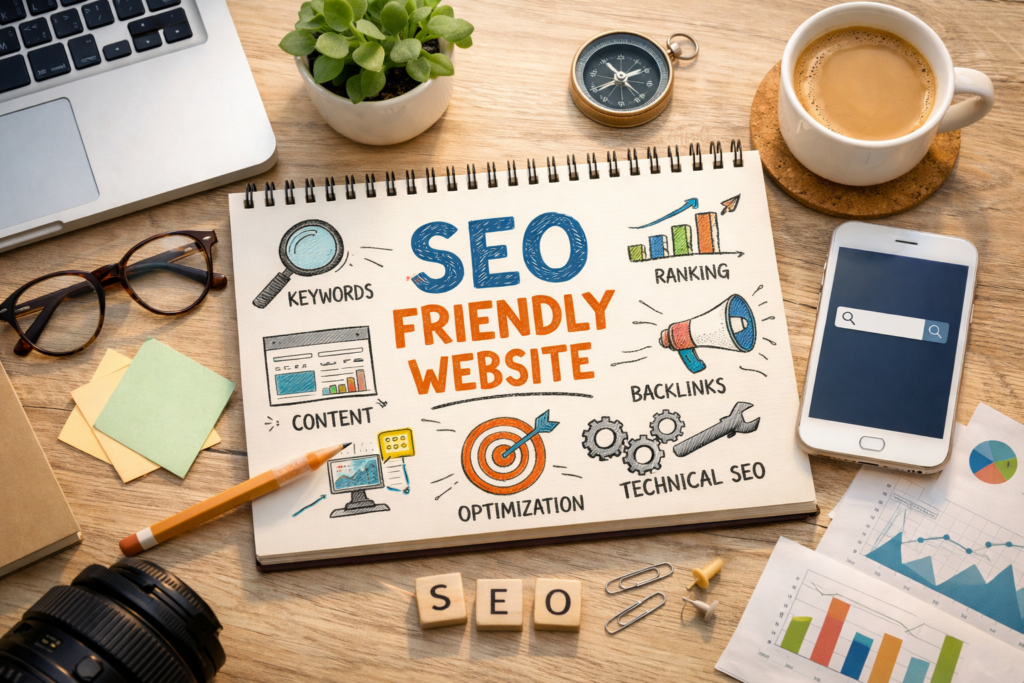
An SEO-friendly website is created to support both search engines and users at the same time. When your website is technically strong and user-focused, rankings become easier to improve, organic traffic grows more consistently, and the site becomes a valuable long-term asset for your business.
This guide explains the main factors that make a website SEO friendly, why they matter for rankings, and how businesses can improve their websites for stronger search visibility.
What Does SEO Friendly Mean?
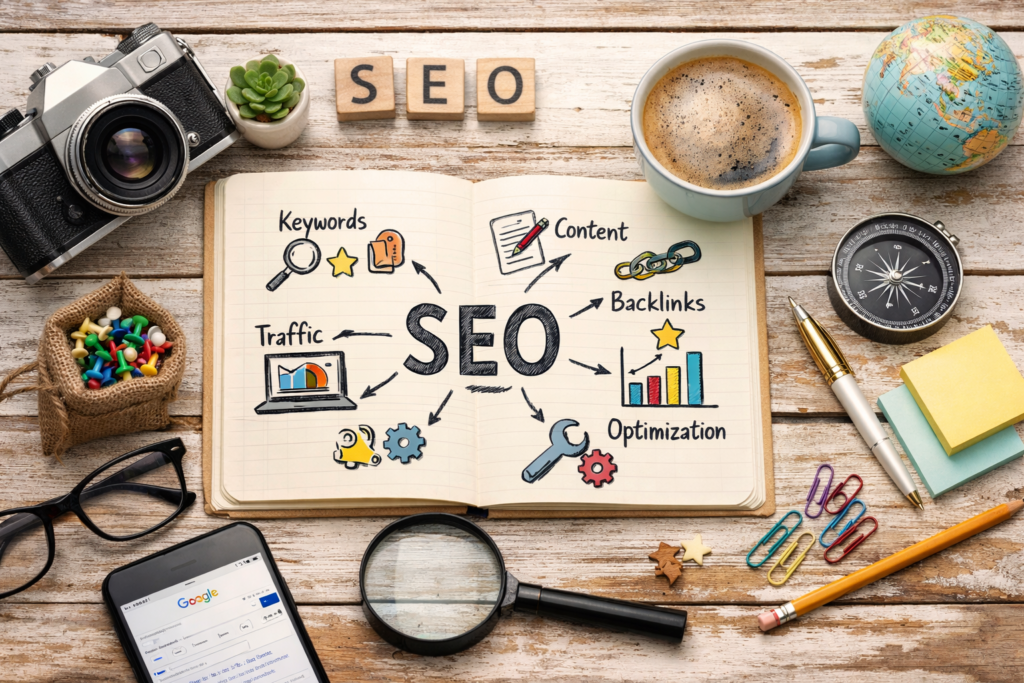
A website is considered SEO friendly when search engines can crawl it without problems, understand its content clearly, and add its pages to the index correctly. At the same time, the site should be smooth and helpful for visitors, allowing them to find what they need quickly without confusion.
An SEO-friendly website usually:
- Loads quickly
- Works properly on phones and tablets
- Has a clear page structure
- Offers valuable and relevant content
- Helps search engines locate and index pages easily
When these areas are handled well, search engines are more likely to trust the website and rank it higher.
Why SEO-Friendly Websites Matter

Search engines aim to show users the best results. Websites that are easy to access, well-structured, secure, and useful are more likely to perform better in search rankings.
A well-optimised website can help businesses:
- Attract more organic visitors
- Improve keyword positions
- Lower bounce rate and increase engagement
- Gain more enquiries, leads, and sales
- Build stronger SEO results over time
If the website foundation is weak, even good content may fail to reach its full ranking potential.
Website Structure and Navigation

Your website structure works like a map. It helps search engines understand how your pages are connected and helps users move around the site without getting lost.
Why Structure Is Important
If your site is confusing or poorly organised, search engines may miss pages, and visitors may leave before they find what they need.
Best Structure Practices
- Use a clear hierarchy (Home → Main Sections → Sub-pages)
- Keep navigation simple and consistent
- Ensure key pages are easy to reach
- Add internal links between related pages
A strong structure improves crawlability and makes the website easier to use.
Mobile Friendliness
Mobile usability is essential for SEO. Search engines now focus heavily on the mobile version of a website when deciding rankings.

What Makes a Website Mobile Friendly?
- A responsive layout that fits every screen size
- Text that remains readable without zooming
- Buttons and links that are easy to tap
- Pages that load quickly on mobile networks
A poor mobile experience can reduce both rankings and conversions.
Page Speed and Performance

Website speed impacts SEO directly and also affects user behaviour. Slow pages often lead to frustration, higher bounce rates, and fewer conversions.
Why Speed Is Important
Visitors expect fast results. If a site takes too long to load, many users leave instantly, which sends negative signals to search engines.
Ways to Improve Website Speed
- Compress and optimise images
- Remove unnecessary scripts and heavy plugins
- Enable browser caching
- Use reliable hosting
- Reduce extra code and large files
A fast website supports stronger engagement and better SEO performance.
High-Quality Content

Content is the main reason search engines rank websites. Pages that provide useful information, clear answers, and real value are more likely to perform well.
SEO-Friendly Content Should Be
- Written to help people, not just search engines
- Clear, informative, and original
- Organised with headings and short sections
- Easy to read and scan
- Built around user intent and real questions
When your content satisfies users, rankings improve naturally over time.
Keyword Optimisation (Without Keyword Stuffing)
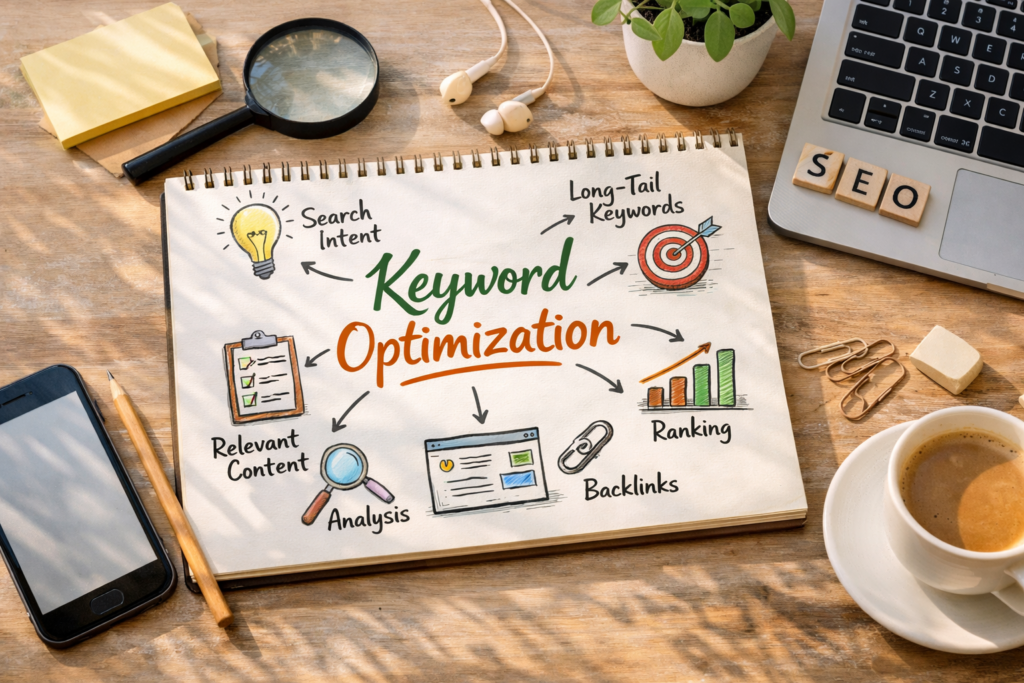
Keywords help search engines understand what a page is about, but repeating them too much can hurt rankings.
Best Keyword Practices
- Place your main keyword naturally in key areas
- Use related phrases and topic variations
- Optimise headings and subheadings
- Focus on meaning and intent instead of repetition
SEO-friendly websites use keywords in a natural and balanced way.
Title Tags and Meta Descriptions
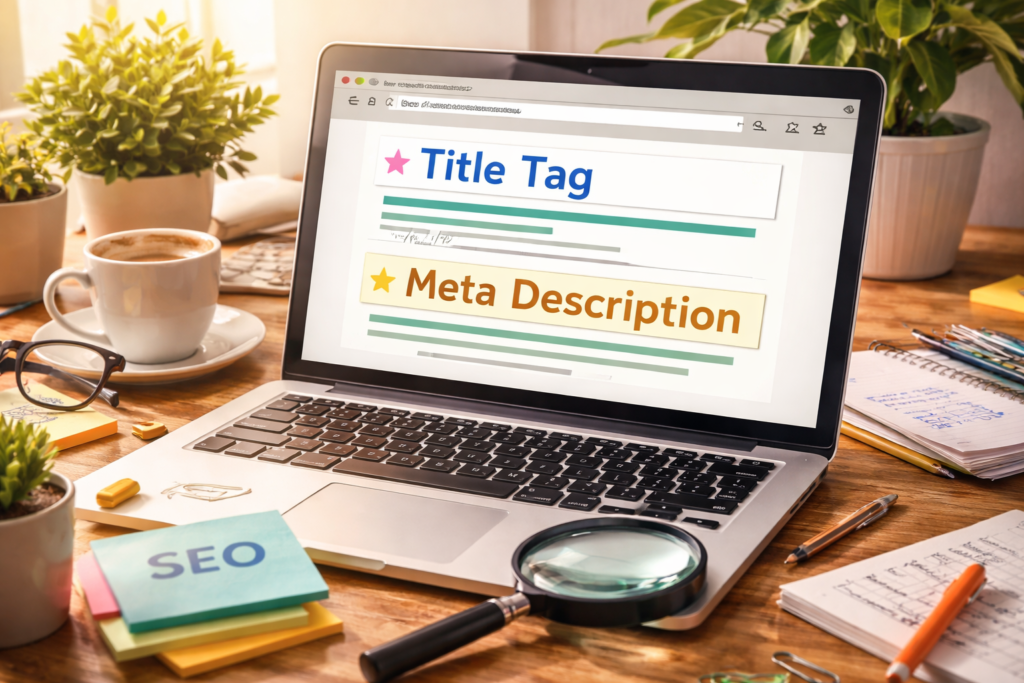
Your title tag and meta description are what users see in Google results. These elements influence both visibility and click-through rate.
Why They Matter
- Titles signal page topics to search engines
- Descriptions help users decide whether to click
- Strong snippets can increase traffic even without ranking changes
Well-written titles and descriptions can bring more visitors from the same rankings.
Internal Linking

Internal linking connects your pages together. It helps search engines discover more content and helps users explore the website more easily.
Benefits of Internal Links
- Helps search engines find and crawl pages faster
- Shares authority across your site
- Improves navigation and user experience
- Encourages visitors to stay longer
Good internal linking strengthens SEO and improves site usability.
Technical SEO Foundations
Technical SEO ensures that search engines can access your site correctly. Without it, rankings can suffer even if your content is strong.
Key Technical SEO Elements
- HTTPS security
- XML sitemap
- Proper index and crawl settings
- Clean and efficient website code
- Fixing broken pages and links
Technical SEO keeps your website stable, accessible, and search-friendly.
User Experience (UX)

User experience has become a major part of SEO success. If visitors struggle to use your website, engagement drops—and rankings can be affected.
UX Elements That Support SEO
- Easy navigation
- Clean design and readable layout
- Clear headings and structured content
- Fast access to important information
A website that feels simple and helpful is more likely to rank well.
Image Optimisation

Images improve the quality of your content, but they must be handled correctly. Large and uncompressed images can slow down your pages.
SEO-Friendly Image Practices
- Use descriptive file names
- Add accurate alt text
- Compress images for faster loading
- Avoid using oversized image dimensions
Optimised images improve speed, accessibility, and SEO performance.
Clean and SEO-Friendly URLs
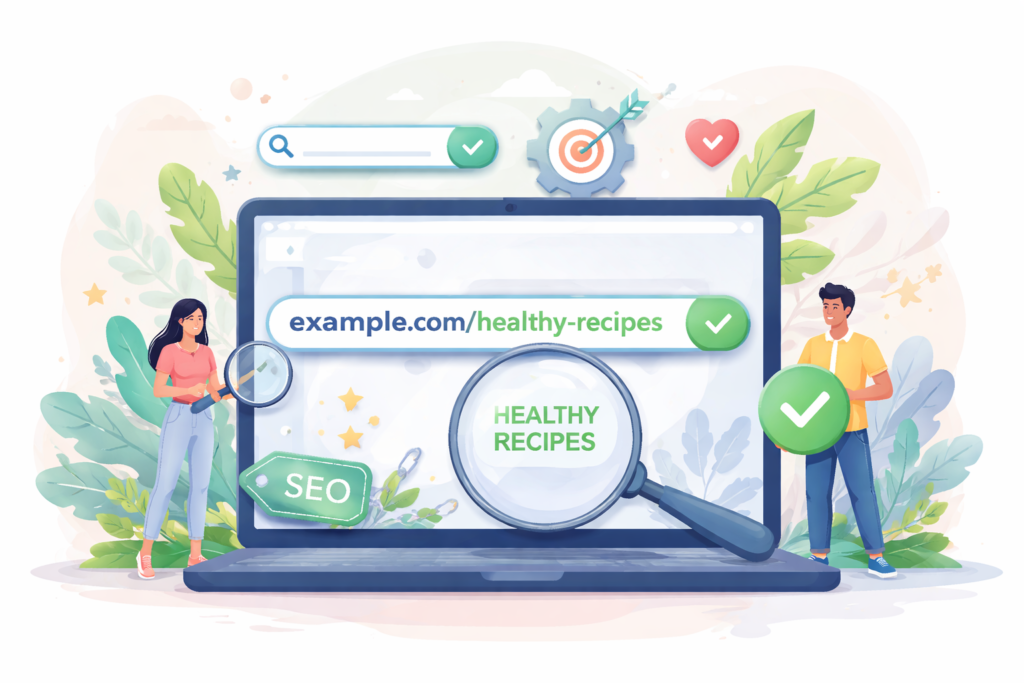
Your URL should explain what the page is about. Confusing URLs with random numbers or long parameters can reduce clarity and trust.
Best URL Practices
- Keep URLs short and simple
- Use hyphens between words
- Include keywords naturally
- Avoid unnecessary characters and tracking parameters
Clear URLs help both users and search engines.
Secure Website (HTTPS)

Security is an official ranking factor. Websites without HTTPS may also trigger browser warnings, which reduces trust.
Why HTTPS Is Important
- Protects visitor data
- Builds credibility
- Prevents “Not Secure” warnings
- Supports stronger SEO signals
Every SEO-friendly website should use HTTPS.
Structured Data and Schema Markup

Schema markup provides extra information to search engines and can improve how your pages appear in results.
Benefits of Schema
- Helps search engines understand content better
- Can generate rich results like FAQs and star ratings
- May improve click-through rates
Schema is optional, but it can provide a strong advantage.
Regular Updates and Maintenance

SEO is ongoing. Websites need updates to stay competitive because content becomes outdated and technical issues appear over time.
Website Maintenance Includes
- Refreshing older content
- Fixing broken links and errors
- Monitoring performance and speed
- Updating plugins and systems
- Improving content based on new search intent
Regular maintenance keeps the website healthy and competitive.
Common Mistakes That Make a Website Not SEO Friendly
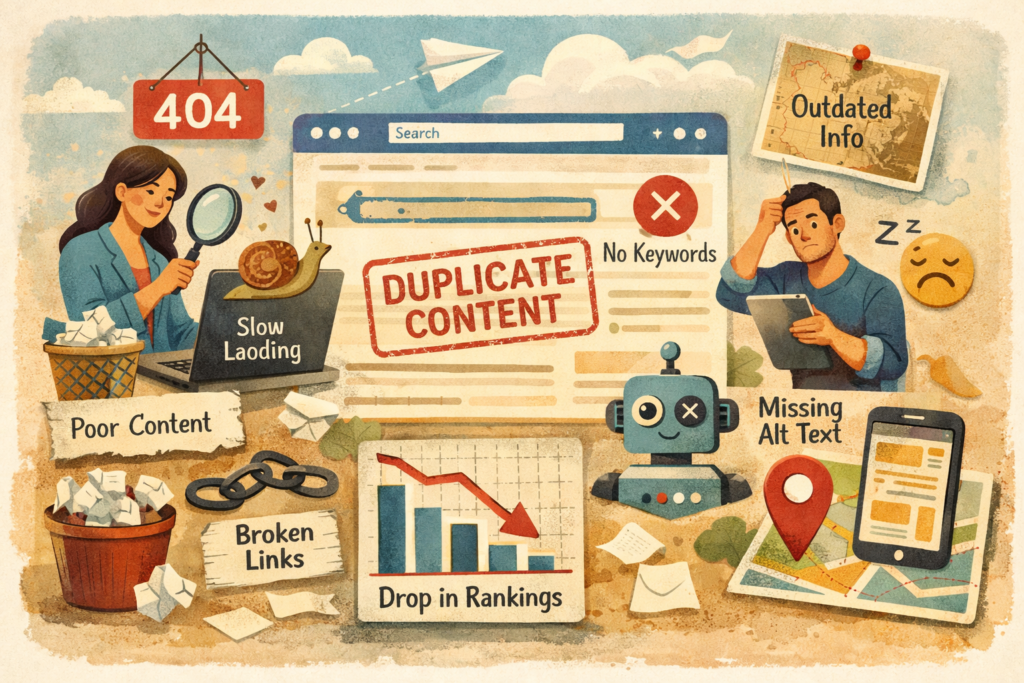
Many websites lose rankings due to:
- Weak mobile performance
- Slow page loading
- Low-quality or duplicate content
- Broken links and technical errors
- Overuse of keywords
Fixing these issues often leads to noticeable improvements.
How to Check If a Website Is SEO Friendly
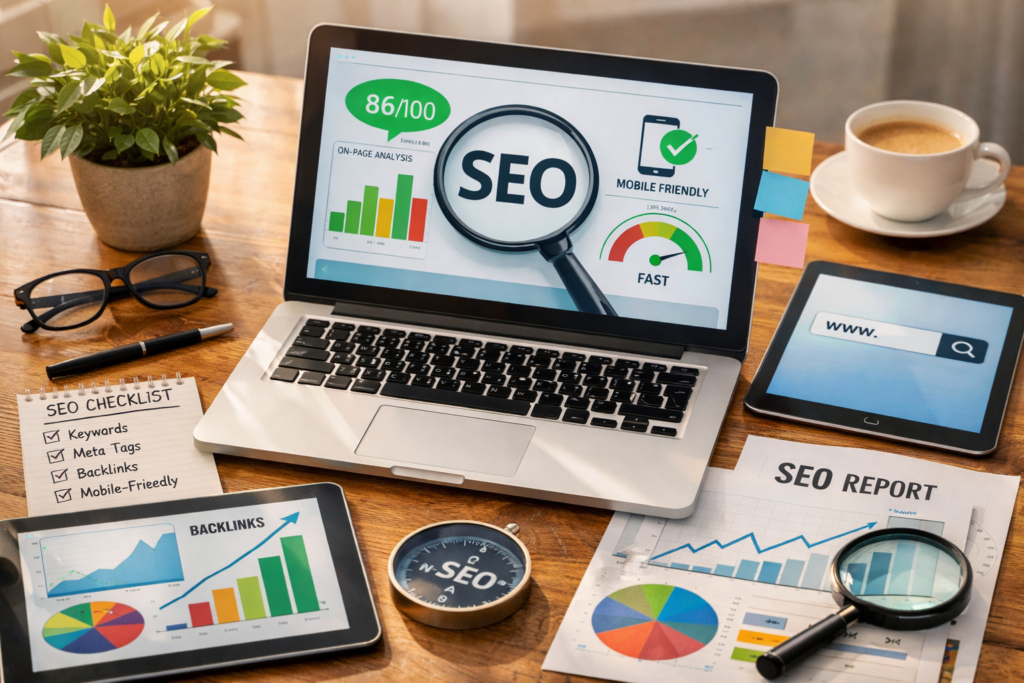
To evaluate your website properly, businesses should check:
- Mobile usability
- Page speed and performance
- Technical SEO errors
- Content quality and relevance
- User behaviour metrics (bounce rate, time on page)
A proper SEO audit helps identify what needs improvement.
SEO-Friendly Websites Support Long-Term Growth

When a website is built correctly for SEO:
- Rankings improve gradually and consistently
- Organic traffic grows steadily
- Conversions increase over time
- Paid advertising costs reduce
- The website becomes a strong digital asset
SEO works best when the website foundation is strong.
What Makes a Website SEO Friendly?
An SEO-friendly website combines technical quality, fast performance, mobile usability, clean structure, valuable content, and a strong user experience. It is designed to help search engines understand it and help users trust it.
By improving these key areas, businesses can create websites that rank higher, attract the right visitors, and generate long-term growth.
SEO success starts with the right foundation—and that foundation is an SEO-friendly website.