
If you run a website, you’ve probably heard the term SEO. For many business owners, SEO might sound confusing or technical. But in reality, it’s quite simple once you break it down.
Understanding SEO in plain terms can help you improve your online visibility, attract the right audience, and make better marketing decisions without relying solely on paid ads. This guide explains SEO in a clear, easy-to-follow way.
What Is SEO?

SEO, or search engine optimization, is the process of improving your website so it appears higher in search results when people look for products, services, or information related to your business.
In simple terms, SEO helps search engines understand your website and decide when to show it to users. The better your SEO, the more likely your website will be visible to the right audience.
For instance, if you run a digital marketing agency, SEO can help your website appear when someone searches for “digital marketing services” or similar terms.
Why SEO Matters

Most online experiences begin with a search engine. People typically start with Google when looking for information, products, or services. Studies show that users rarely look beyond the first page of search results.
SEO is important because it:
- Increases website visibility
- Brings in organic (free) traffic
- Builds trust and credibility
- Drives long-term results
- Reduces dependency on paid ads
Without SEO, even the best websites can remain virtually invisible online.
How Search Engines Work
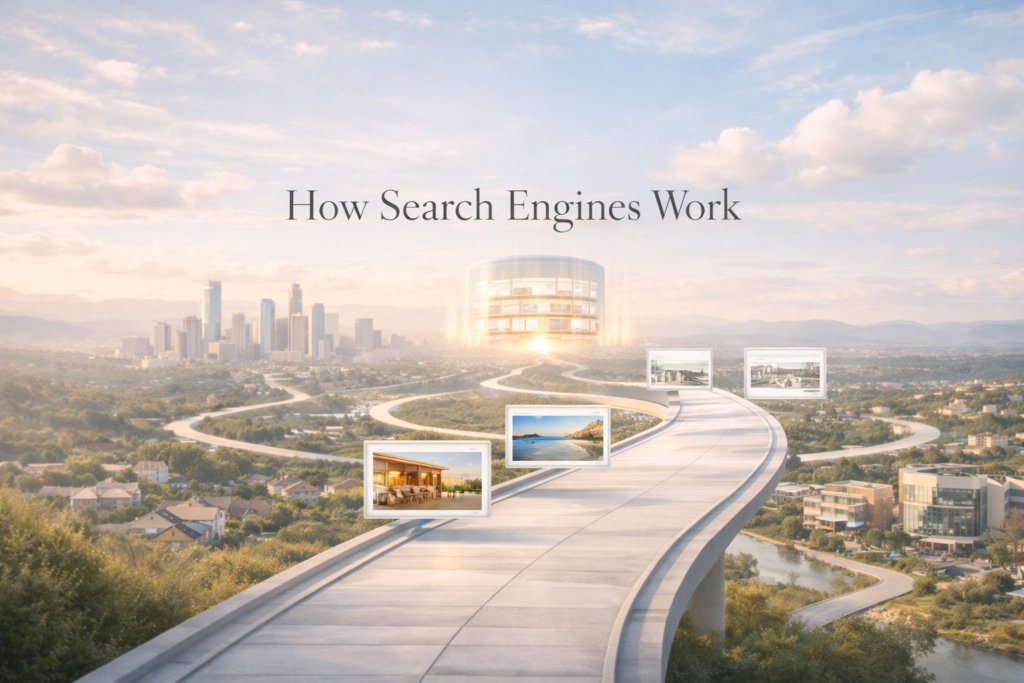
Search engines like Google operate in three basic steps:
- Crawling – Search engines explore websites to discover new and updated pages.
- Indexing – Found pages are stored and organized in a huge database called an index.
- Ranking – When someone searches, the search engine ranks pages based on relevance and quality to decide which results appear first.
SEO helps your website perform well at each of these stages.
The Main Types of SEO

SEO can be broken into three main areas:
1. On-Page SEO
On-page SEO involves optimizing elements on your website, such as:
- Page titles and headings
- Content quality and relevance
- Proper keyword use
- Internal links
Good on-page SEO helps search engines understand what your pages are about.
2. Technical SEO
Technical SEO ensures your website works smoothly for users and search engines. This includes:
- Fast loading speed
- Mobile-friendly design
- Secure connections (HTTPS)
- Organized site structure
A technically optimized site improves user experience and boosts your ranking potential.
3. Off-Page SEO
Off-page SEO focuses on building trust and authority outside your website, including:
- Backlinks from other websites
- Brand mentions
- Online reviews
These signals tell search engines your site is credible and valuable.
What Are Keywords and Why Are They Important?

Keywords are the terms people type into search engines. Using the right keywords helps search engines connect your content with what people are searching for.
For example:
- “SEO services for small businesses”
- “How to rank on Google”
Keywords should be used naturally. Overusing them can actually hurt your rankings.
SEO vs Paid Advertising

SEO differs from paid ads because you don’t pay for clicks.
| Feature | SEO | Paid Ads |
| Cost | Free traffic | Pay per click |
| Speed | Gradual results | Immediate results |
| Long-term value | High | Short-term |
| Trust level | Higher | Lower |
Many businesses use both SEO and paid ads for the best results.
How Long Does SEO Take?
SEO is not instant. Most websites see noticeable results within 3–6 months, depending on competition, content quality, and consistency.
SEO works best as a long-term investment rather than a quick fix.
Common SEO Mistakes Beginners Make
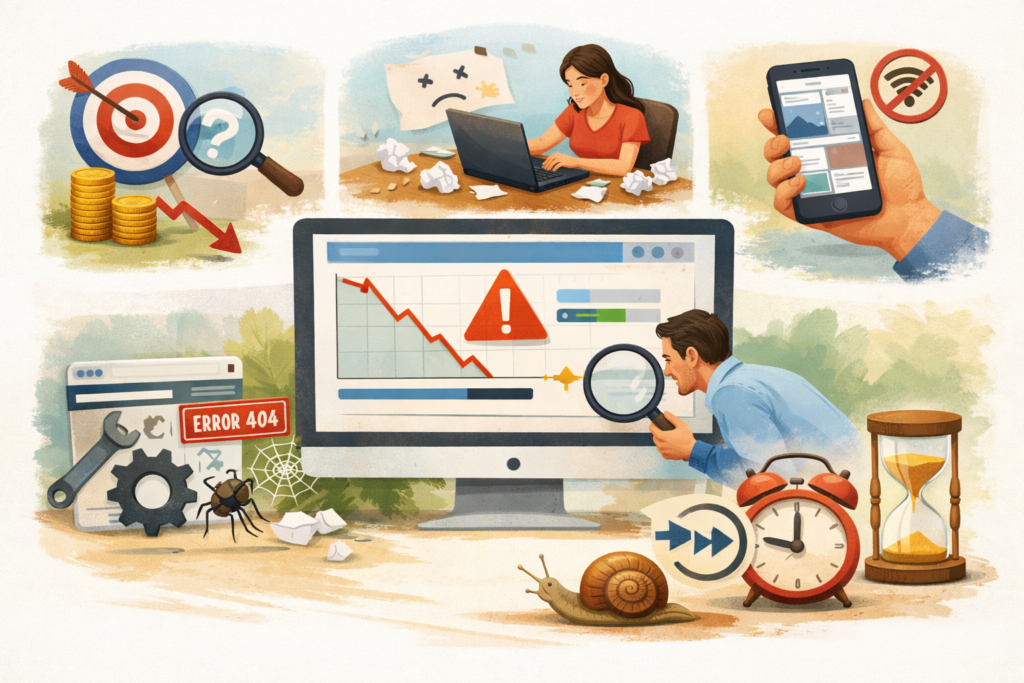
Beginners often make SEO more difficult than it needs to be by:
- Targeting the wrong keywords
- Publishing low-quality content
- Ignoring mobile users
- Overlooking technical issues
- Expecting immediate results
Avoiding these mistakes makes SEO much more effective.
Is SEO Difficult?

SEO is not hard, but it does require patience and consistent effort. The basics are easy to understand, and advanced techniques can be learned gradually. Think of SEO as improving your website step by step.
Who Should Use SEO?
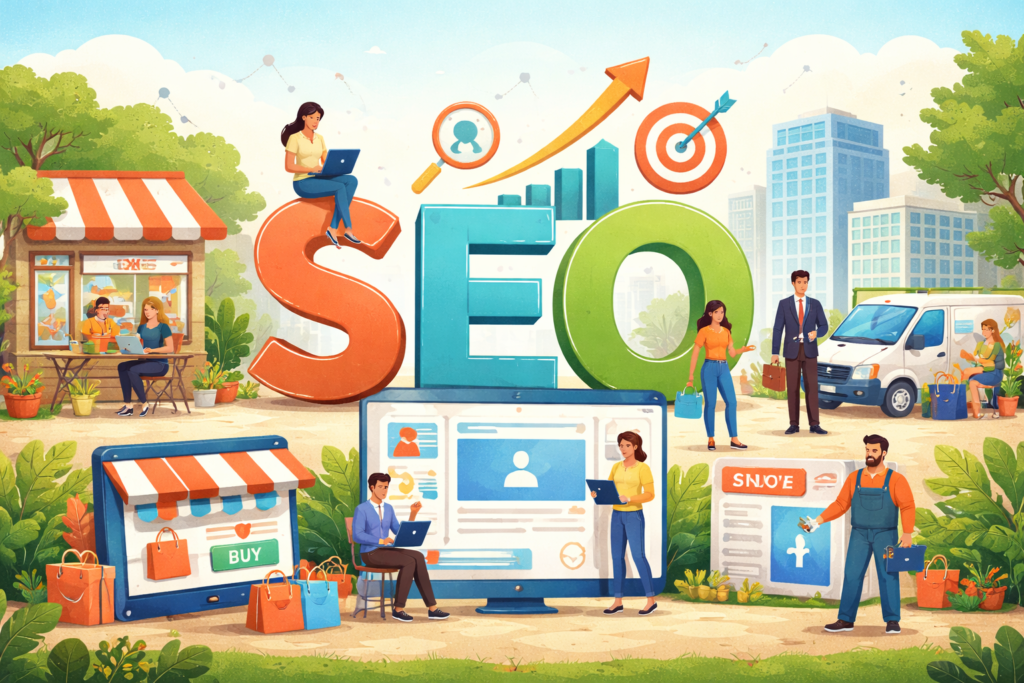
SEO is useful for:
- Small businesses
- E-commerce websites
- Service providers
- Bloggers and content creators
- Large enterprises
Any website that wants more visibility and traffic can benefit from SEO.
Why SEO Matters for Long-Term Growth
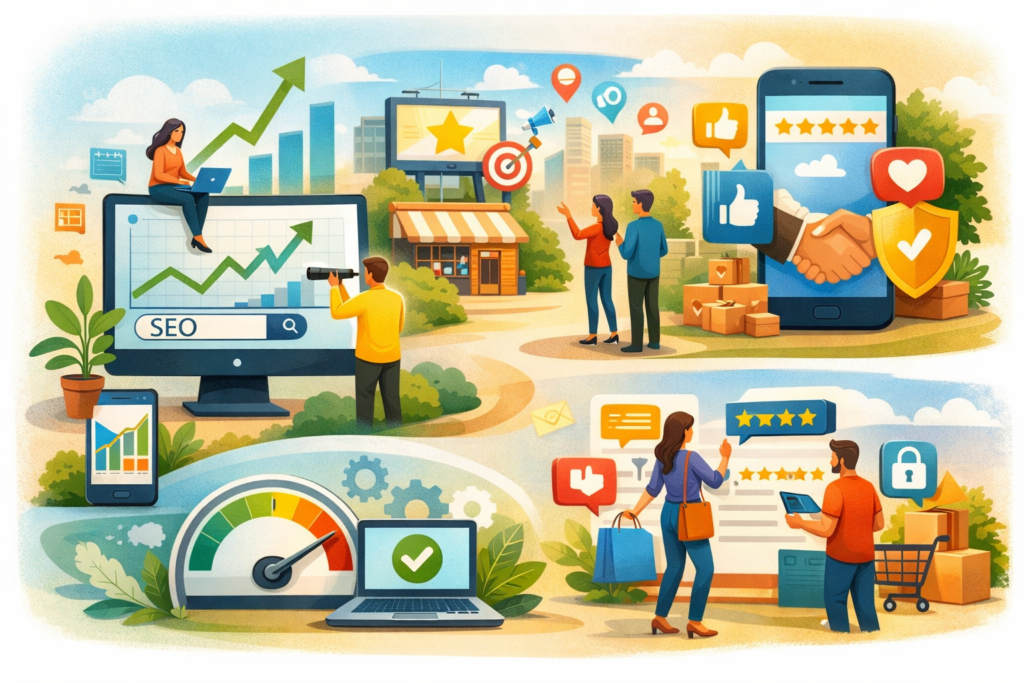
SEO helps businesses grow their online presence over time. Unlike paid ads, SEO continues delivering results even if you reduce spending. Benefits include:
- Steady traffic growth
- Higher brand visibility
- Better user experience
- Increased customer trust
SEO becomes more powerful as your website gains authority.
Conclusion
In simple terms, SEO is the practice of making your website easier for search engines to find, understand, and trust.
Though it takes time, SEO provides long-term value, sustainable traffic, and business growth. By learning the basics and applying them consistently, any business can improve its online visibility and stay competitive.
SEO doesn’t have to be complicated — it just needs to be done correctly.