
Local customers aren’t just browsing—they are searching for solutions they need right now. If your business doesn’t appear in the Google Local Pack, you could be losing calls, bookings, and walk-ins to competitors. Ranking in the Local Pack is essential for small and medium businesses that rely on local visibility.
This guide explains how to rank in Google Local Pack step by step, covering everything from Google Business Profile optimisation to local citations and reviews. By the end, you’ll understand exactly what actions drive results.
What Is Google Local Pack?
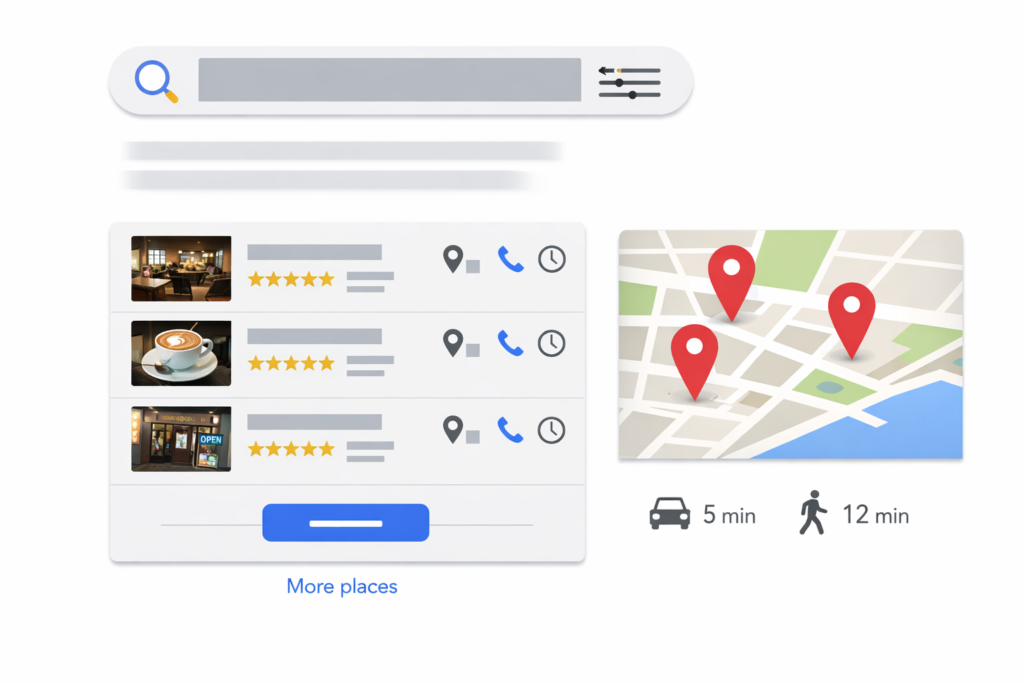
The Google Local Pack is the map-based section that appears at the top of search results for location-based queries. It usually shows three businesses, along with their location, reviews, and contact details.
Ranking in the Local Pack:
- Drives immediate traffic to your business
- Increases phone calls and walk-ins
- Improves trust and authority in your area
Unlike traditional SEO, Local Pack optimisation focuses on location relevance, reviews, and authority signals.
Step 1: Optimise Your Google Business Profile (GBP)
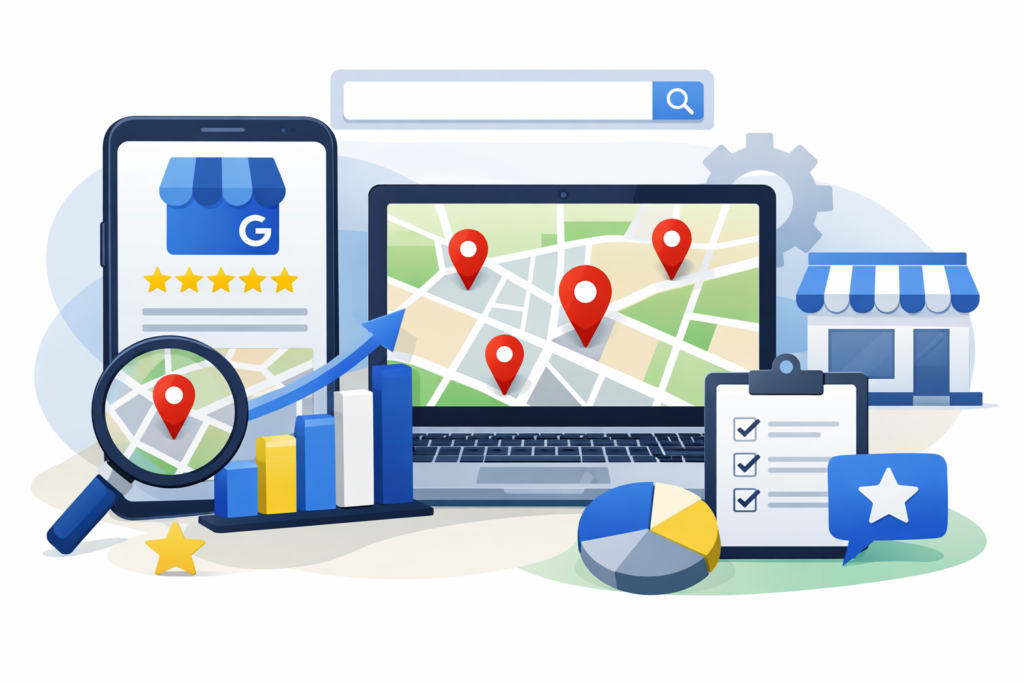
Your Google Business Profile is the foundation of Local SEO.
Key steps:
- Ensure accurate NAP (Name, Address, Phone)
- Choose relevant categories
- Add business description with location-specific keywords
- Upload high-quality images
- Post updates regularly
A fully optimised GBP improves ranking and attracts more clicks from potential customers.
Step 2: Conduct Local Keyword Research
Target keywords that include your service and location.
Examples:
- “Digital marketing agency in [City]”
- “Plumber near me”
- “[Service] in [Neighborhood]”
Focus on high-intent local searches, not generic national keywords. Use tools like Google Keyword Planner or Ahrefs to find relevant local search queries.
Step 3: Build Local Citations and Listings
Citations are mentions of your business across online directories.
Steps:
- Ensure NAP consistency on all platforms
- List your business on top directories (Yelp, Bing, Apple Maps, Foursquare)
- Include your website and relevant keywords
Citations signal to Google that your business is legitimate and local.
Step 4: Gather and Manage Reviews
Reviews are a major ranking factor in the Local Pack.
Best practices:
- Ask satisfied customers for reviews
- Respond to all reviews promptly
- Use reviews to improve customer trust and local authority
Google prioritises businesses with high ratings and review activity.
Step 5: Optimise Your Website for Local SEO
Your website complements GBP and citations.
Focus on:
- Location pages for each service area
- Including local keywords in title tags, meta descriptions, and headings
- Mobile-friendly design and fast loading speed
- Clear contact details with maps
A well-structured website helps Google connect your online presence to your physical location.
Step 6: Use Local Content and Engagement
Create content that targets local interests and questions:
- Blog posts about local events or services
- Guides like “Best [Service] in [City]”
- FAQ pages addressing local search queries
Engagement signals, like clicks and user interaction, also help boost Local Pack rankings.
Step 7: Monitor and Track Performance

Track your results using:
- Google Business Insights
- Google Analytics
- Local ranking tools
Measure:
- Number of calls and directions requested
- Website clicks from GBP
- Review growth and engagement
Regular monitoring helps identify areas to optimise and maintain your position in the Local Pack.
Common Mistakes to Avoid
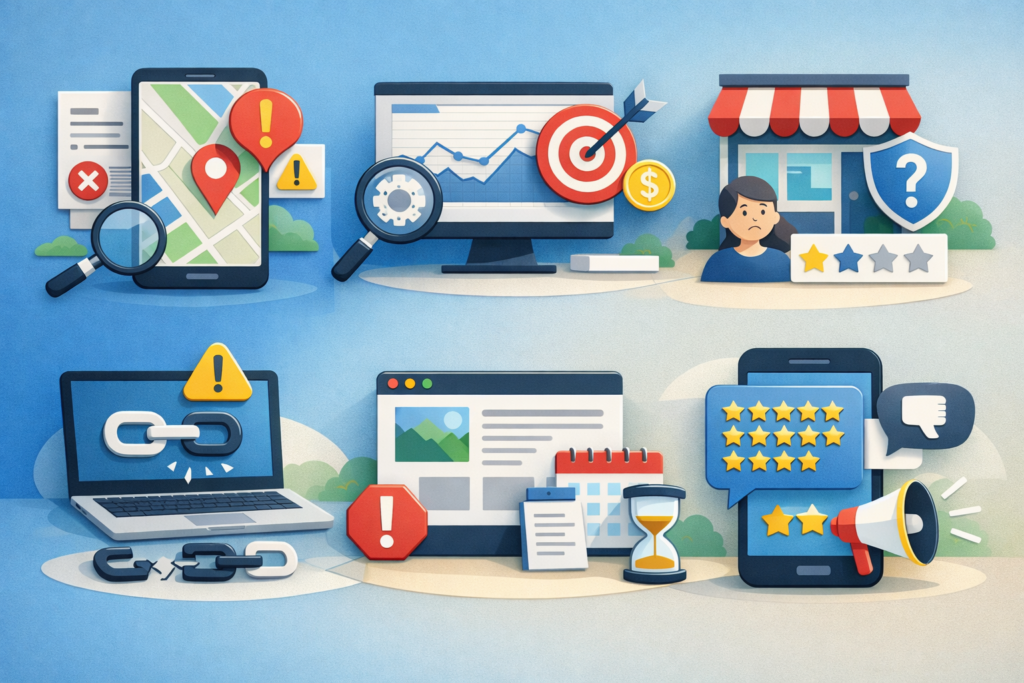
- Inconsistent NAP across listings
- Ignoring reviews or negative feedback
- Targeting generic keywords
- Missing photos or profile details
- Not updating content regularly
Avoiding these errors ensures your Local Pack ranking is strong and sustainable.
Conclusion: Step Up Your Local SEO Game
Ranking in the Google Local Pack is achievable for any small business with the right approach. By optimising your Google Business Profile, targeting local keywords, building citations, gathering reviews, and tracking performance, your business can appear in the top local results, attract more customers, and increase revenue.